
Best Storefront Glass Options for Commercial Buildings
Discover the best storefront glass options for commercial buildings. Learn the benefits of tempered glass, laminated glass, insulated glass, Low-E glass, and impact-resistant storefront systems to improve security, energy efficiency, and curb appeal.
GLASS
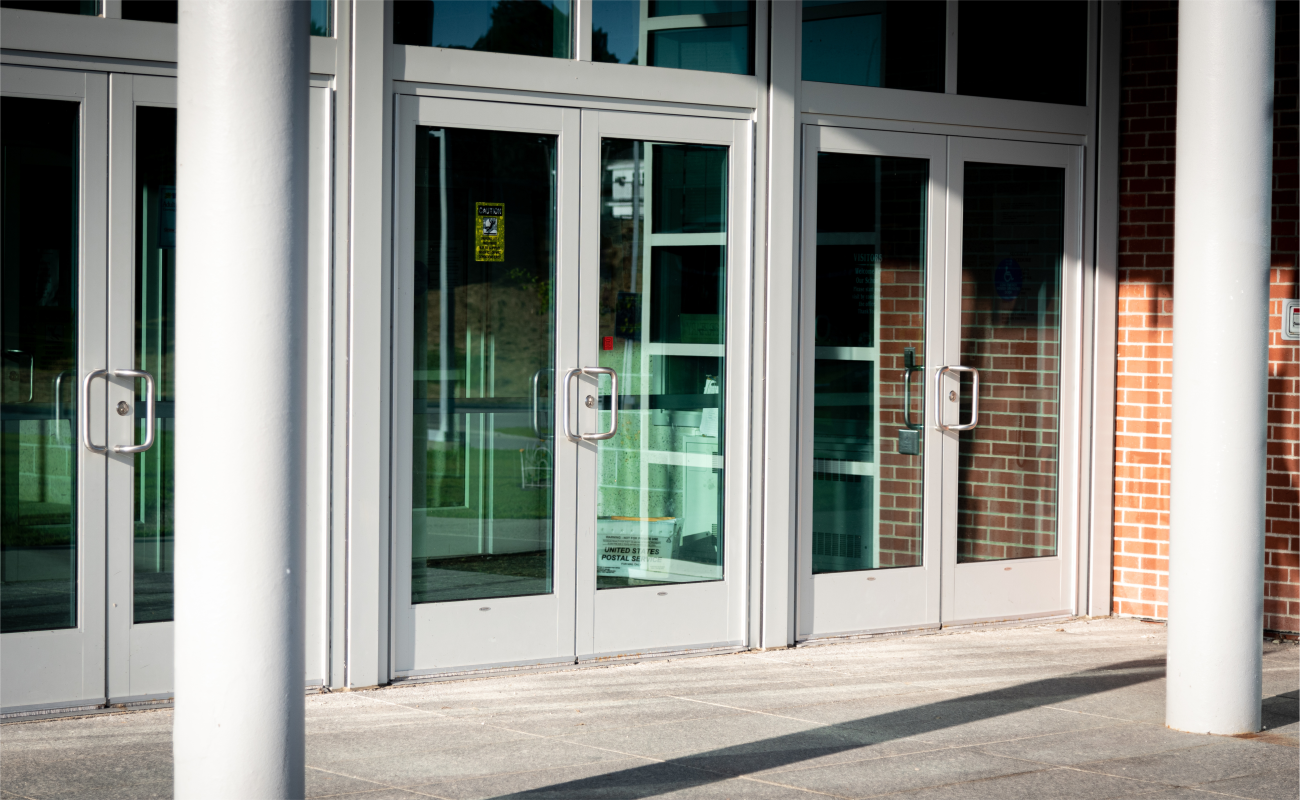
Your storefront is one of the most important investments in your commercial property. It influences customer perception, security, energy efficiency, and overall building performance. Whether you own a retail store, restaurant, office building, medical facility, or industrial property, selecting the right storefront glass can significantly impact both the appearance and functionality of your business.
Modern commercial glass technology has evolved dramatically over the past decade. Today's storefront systems offer superior energy efficiency, enhanced security, improved durability, and greater design flexibility than ever before. However, with so many options available, many business owners struggle to determine which type of storefront glass is best suited for their needs.
Understanding the strengths and limitations of each glass option can help property owners make an informed decision that balances aesthetics, safety, performance, and long-term value.
Why Storefront Glass Matters
Storefront glass does much more than provide visibility into your business. It serves as a critical component of your building envelope, helping regulate indoor temperatures, protect occupants, improve security, and create a welcoming environment for customers.
The right storefront glass can:
Increase natural light
Improve curb appeal
Reduce energy costs
Enhance security
Improve customer experience
Reduce UV damage to interiors
Increase property value
Choosing the wrong glass, however, can lead to excessive heat gain, higher utility bills, security vulnerabilities, and premature replacement costs.
Tempered Glass: The Industry Standard
Tempered glass is one of the most commonly used materials in commercial storefront systems. During manufacturing, the glass undergoes a specialized heating and cooling process that makes it significantly stronger than standard annealed glass.
When broken, tempered glass shatters into small, relatively harmless pieces rather than large, dangerous shards. This safety characteristic makes it an excellent choice for commercial applications where customer and employee safety is a priority.
Tempered storefront glass offers several advantages:
Four to five times stronger than standard glass
Meets many commercial building code requirements
Improved impact resistance
Safer breakage pattern
Excellent clarity and appearance
Because of its durability and affordability, tempered glass remains one of the most popular storefront glass options for retail stores, restaurants, and office buildings.
Laminated Glass: Superior Security and Protection
For businesses prioritizing security, laminated glass is often considered one of the best storefront glass options available.
Laminated glass consists of two or more layers of glass bonded together with a durable interlayer. If the glass is struck or broken, the interlayer helps hold the glass in place rather than allowing it to shatter and fall apart.
This construction makes laminated glass highly resistant to forced entry attempts and accidental impacts.
Benefits of laminated storefront glass include:
Enhanced security
Increased burglary resistance
Improved storm protection
Reduced risk of injury
Excellent sound reduction
UV protection
Many banks, healthcare facilities, schools, government buildings, and high-end retail stores choose laminated glass to improve both security and occupant safety.
Insulated Glass Units (IGUs): Maximum Energy Efficiency
Energy costs continue to rise, making efficiency a top concern for commercial property owners. Insulated Glass Units, commonly called IGUs, are designed specifically to improve thermal performance.
Insulated glass consists of two or more panes separated by a sealed air or gas-filled space. This design significantly reduces heat transfer between the interior and exterior of a building.
For businesses seeking lower energy bills and greater indoor comfort, insulated glass often delivers substantial long-term savings.
Advantages of insulated storefront glass include:
Reduced heating costs
Reduced cooling costs
Improved temperature control
Enhanced occupant comfort
Reduced condensation
Better overall building performance
Modern insulated glass systems are frequently combined with Low-E coatings to maximize efficiency.
Low-E Glass: Advanced Solar Control
Low-emissivity, or Low-E glass, has become one of the most important advancements in commercial storefront technology.
Low-E coatings are microscopically thin metallic layers applied to glass surfaces. These coatings help regulate solar heat transfer while allowing natural light to pass through.
This technology helps businesses maintain comfortable indoor temperatures while reducing HVAC system workload.
Benefits of Low-E storefront glass include:
Lower utility bills
Reduced solar heat gain
Improved year-round comfort
Protection against UV damage
Increased energy efficiency
Enhanced sustainability
Businesses located in regions with hot summers often see significant performance improvements after upgrading to Low-E storefront glass systems.
Impact-Resistant Glass for High-Risk Environments
Certain commercial properties require additional protection against severe weather, vandalism, or security threats. Impact-resistant glass is specifically engineered to withstand substantial force while maintaining structural integrity.
Impact-resistant storefront systems typically incorporate multiple layers of laminated glass and reinforced framing components.
This type of glass is commonly used in:
Coastal properties
Government facilities
Financial institutions
Healthcare facilities
High-security buildings
Although impact-resistant glass generally involves a higher initial investment, it can provide exceptional protection and long-term peace of mind.
Tinted Storefront Glass
Tinted glass offers both functional and aesthetic benefits for commercial properties.
By reducing glare and solar heat gain, tinted storefront glass can improve indoor comfort while helping lower cooling costs. It also provides a sleek, professional appearance that many businesses find appealing.
Common tint options include:
Gray
Bronze
Blue
Green
Neutral tones
The right tint selection depends on your building's design, location, and energy efficiency goals.
Clear Glass vs. Decorative Glass
Many retail businesses prioritize visibility, making clear storefront glass the preferred option. Clear glass maximizes product exposure, creates an open atmosphere, and allows natural light to flood the interior space.
However, some businesses may benefit from decorative or frosted glass applications.
Decorative storefront glass can provide:
Increased privacy
Branding opportunities
Architectural enhancement
Modern aesthetics
Customized design elements
Medical offices, professional service firms, and corporate facilities often incorporate decorative glass features to create a distinctive appearance while maintaining privacy.
Which Storefront Glass Is Best for Your Business?
There is no one-size-fits-all answer when choosing commercial storefront glass. The ideal solution depends on several factors, including security requirements, energy goals, building location, budget, and customer experience priorities.
For many businesses, the best storefront systems combine multiple technologies. For example, insulated Low-E tempered glass provides an excellent balance of safety, energy efficiency, visibility, and durability. Businesses with heightened security concerns may benefit from laminated or impact-resistant glass systems.
A professional storefront contractor can evaluate your building and recommend the most effective solution based on your specific operational needs and long-term goals.
The Importance of Professional Installation
Even the highest-quality storefront glass will underperform if installed incorrectly. Proper installation is essential for ensuring structural integrity, weather resistance, energy efficiency, and long-term durability.
Experienced commercial glass professionals understand building codes, safety requirements, and best installation practices. A properly installed storefront system can provide decades of reliable performance while reducing maintenance and repair costs.
Trust Apex Door & Glass for Commercial Storefront Solutions
At Apex Door & Glass, we help business owners select and install the ideal storefront glass system for their property. Whether you need storefront glass replacement, commercial glass installation, storefront repairs, hollow metal doors, or complete storefront renovations, our team delivers expert craftsmanship and dependable service.
We work with property managers, contractors, developers, and business owners to provide commercial glass solutions that enhance security, improve energy efficiency, and create lasting first impressions. Get professional storefront systems installation today.
Ready to Get Started?
Get a free estimate from a trusted Hampton Roads commercial glass & door company.

COMPANY
About Us
Industries
Service Areas
Reviews
Blog
Contact
809 Live Oak Dr, Suite 1
Chesapeake, VA 23320




M-F 8AM-4:30PM
service@apexdoorandglass.com
(757) 713-8894 or (757) 713-2643
© 2026 Apex Door and Glass. All rights reserved.
Website Design by BragencyX
Hampton Roads, Virginia & Elizabeth City, North Carolina's premier commercial door, glass, and window company.
GET IN TOUCH