
Can I Put Commercial Windows in My House?
Can you put commercial windows in your house? Learn about energy efficiency, installation costs, building codes, and the benefits of commercial-style windows.
WINDOWS
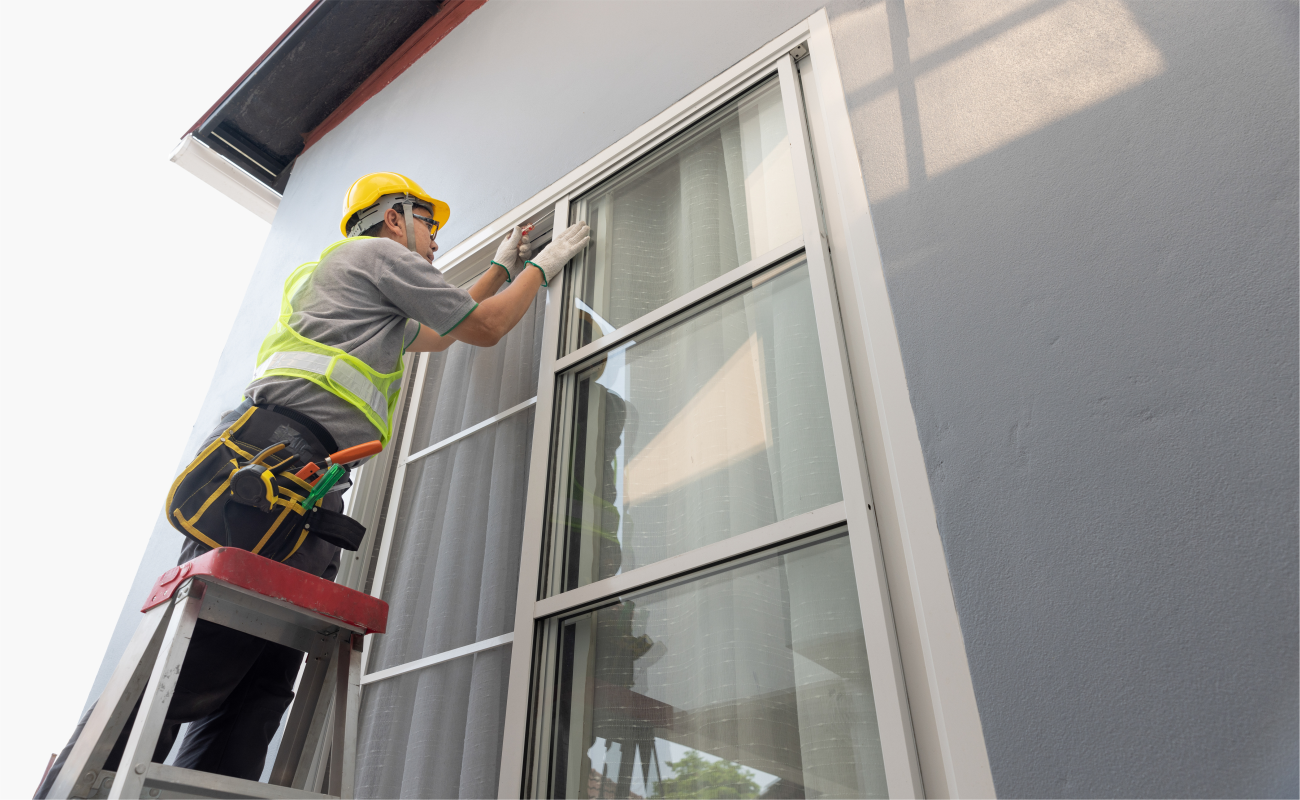
Yes, you can install commercial windows in your house, and in some situations, they can be an excellent alternative to traditional residential windows. Commercial windows are designed for durability, larger glass openings, and demanding environments, making them an appealing option for homeowners who want a modern appearance, expansive glass areas, or a more substantial window system.
However, commercial windows are not necessarily interchangeable with residential windows. They are typically designed for different building applications, and factors such as energy efficiency, structural requirements, installation methods, and building codes must be considered before choosing them for a home.
Whether you are building a new house, renovating an existing property, or replacing outdated windows, understanding the differences between commercial and residential windows can help you determine whether commercial glazing is the right choice.
What Is the Difference Between Commercial and Residential Windows?
Commercial and residential windows serve the same basic purpose: allowing natural light into a building while providing protection from the weather and outside elements. However, they are designed with different applications and performance requirements in mind.
Commercial windows are commonly installed in office buildings, retail storefronts, apartment complexes, schools, and other commercial properties. Residential windows are specifically designed for houses and other dwelling units.
Some of the biggest differences involve construction, materials, glass specifications, energy performance, and overall design.
1. Frame Construction and Materials
One of the most noticeable differences between commercial and residential windows is the frame construction.
Commercial windows frequently use aluminum framing systems. Aluminum is lightweight, strong, and capable of supporting large glass panels without requiring excessively bulky framing.
These systems are especially common in storefronts and commercial buildings where large areas of glass are desired.
Residential windows, on the other hand, are commonly manufactured using:
Vinyl
Wood
Fiberglass
Aluminum
Composite materials
Vinyl and fiberglass are particularly popular in residential construction because they offer good insulating properties and relatively low maintenance requirements.
While aluminum commercial windows can provide excellent structural strength, standard aluminum frames can transfer heat more readily than insulated vinyl, wood, or fiberglass frames. This is why homeowners should pay close attention to thermal performance when considering commercial aluminum windows.
2. Glass Size and Configuration
Commercial windows are often designed to accommodate larger glass panels than traditional residential windows.
This makes them appealing for homeowners who want expansive windows, floor-to-ceiling glass, or a more contemporary architectural style.
For example, a homeowner designing a modern living room may prefer a large commercial-style aluminum window system instead of several smaller residential windows.
Commercial glazing systems can also be configured into storefront-style assemblies with multiple glass panels connected by aluminum framing.
Residential windows are generally available in more standardized configurations, including:
Single-hung windows
Double-hung windows
Casement windows
Sliding windows
Awning windows
Picture windows
Bay and bow windows
Commercial windows can offer more flexibility for certain large-scale designs, although the appropriate system must be selected based on the home's structural and performance requirements.
3. Energy Efficiency and Insulation
Energy efficiency is one of the most important considerations when deciding whether to install commercial windows in a house.
Residential windows are generally designed with household heating and cooling requirements in mind. Many modern residential products feature insulated frames, double-pane or triple-pane glass, Low-E coatings, and gas-filled insulating spaces.
Commercial windows can also incorporate these features, but not every commercial glazing system is designed to provide the same thermal performance as a high-quality residential window.
For example, some standard commercial aluminum storefront systems use framing with limited thermal insulation. Installing this type of window in a house could contribute to unwanted heat transfer, drafts, and higher heating and cooling expenses.
Homeowners should look for commercial window systems that offer:
Thermally broken aluminum frames.
Double-pane or triple-pane insulated glass.
Low-E coatings.
Appropriate air and water infiltration ratings.
Performance ratings suitable for the home's climate and exposure.
The National Fenestration Rating Council (NFRC) provides standardized ratings that help consumers compare window energy performance. Important measurements include U-factor, Solar Heat Gain Coefficient (SHGC), and visible transmittance.
A lower U-factor generally indicates better insulation, while the appropriate SHGC depends on the climate, window orientation, and desired solar heat gain.
4. Durability and Strength
Commercial windows are often associated with durability because many are designed for buildings that experience frequent use and significant environmental exposure.
Aluminum framing can provide excellent structural strength while supporting large glass panels.
However, commercial windows are not automatically stronger or more secure than residential windows. Their performance depends on the specific system, glass thickness, frame construction, hardware, and applicable design ratings.
For example, a residential window with laminated impact-resistant glass may provide better protection against certain impacts than a standard commercial storefront window.
Homeowners should evaluate the complete window system rather than assuming that a commercial designation guarantees superior performance.
What Are the Benefits of Installing Commercial Windows in a House?
For the right home, commercial windows can offer several advantages over traditional residential window systems. Their appearance, structural capabilities, and design flexibility make them particularly appealing for modern homes and larger renovation projects.
1. Modern and Contemporary Appearance
One of the biggest reasons homeowners choose commercial windows is their appearance.
Commercial aluminum windows often feature narrow frames, clean lines, and expansive glass panels. This creates a minimalist appearance that works particularly well with contemporary, industrial, and modern architectural styles.
They can be used to create:
Large picture windows overlooking a backyard or outdoor living area.
Floor-to-ceiling glass walls.
Expansive windows in living rooms and kitchens.
Modern glass entrances and architectural features.
Large window groupings that maximize natural light.
For homeowners who want a more contemporary appearance, commercial storefront-style glazing can create a distinctive look that is difficult to achieve with traditional residential window configurations.
2. Larger Glass Openings
Commercial glazing systems are often designed to accommodate larger glass panels and more extensive window configurations.
This can be beneficial for homeowners who want to maximize natural light or create unobstructed views of their surroundings.
For example, a homeowner with a property overlooking the water may want a large glass wall rather than several smaller residential windows separated by thick frames.
Commercial window systems can provide the flexibility needed for these larger designs, provided the framing, glass specifications, and surrounding building structure are appropriately engineered.
3. Strong Aluminum Framing
Aluminum is widely used in commercial window systems because it provides a favorable combination of strength, relatively low weight, and durability.
Unlike some residential frame materials, aluminum can support large glass panels with relatively narrow framing members.
It is also resistant to many forms of weather-related deterioration, although aluminum can still corrode under certain environmental conditions if the finish and materials are not appropriate.
For homes in coastal environments, choosing aluminum frames with suitable protective finishes and corrosion-resistant hardware is particularly important.
4. Design Flexibility
Commercial glazing systems can be customized to accommodate different architectural designs, dimensions, and configurations.
Homeowners can explore options that may not be readily available through standard residential window manufacturers.
For example, commercial systems may allow for larger fixed glass panels, custom storefront configurations, and combinations of glass and aluminum framing.
This flexibility can be especially useful during custom home construction or major renovations where the homeowner wants a specific architectural appearance.
What Are the Disadvantages of Installing Commercial Windows in a House?
Although commercial windows can be an attractive option, there are several disadvantages homeowners should consider before making a decision.
1. Potentially Higher Energy Costs
One of the biggest drawbacks of some commercial aluminum window systems is thermal performance.
Aluminum is a highly conductive material, meaning heat can transfer through the frame more readily than through materials such as vinyl, wood, or fiberglass.
If the window system does not have adequate thermal breaks and insulating features, homeowners may experience:
Greater heat loss during colder months.
Increased heat gain during warmer months.
Condensation on interior frame surfaces.
Higher heating and cooling expenses.
Reduced indoor comfort near large windows.
This does not mean all commercial aluminum windows are inefficient. Thermally broken aluminum systems with insulated glass can provide good energy performance.
However, homeowners should compare actual performance ratings rather than assuming all commercial windows are suitable for residential applications.
2. Higher Installation Costs
Commercial window systems can be more expensive to install than standard residential windows.
Large glass panels may require specialized equipment, additional installers, and custom fabrication. The existing wall structure may also need modifications to accommodate the new window dimensions.
If the project involves creating a larger opening, additional structural work may be necessary, including installing or modifying a header to support the loads above the opening.
These additional requirements can increase the overall project cost.
3. More Limited Ventilation Options
Many commercial storefront systems are designed primarily for fixed glass panels rather than operable windows.
This means homeowners may have fewer options for opening the windows to allow fresh air into the house.
Some commercial systems offer operable configurations, but they may not provide the same variety of opening styles available with residential windows.
If natural ventilation is important, homeowners should confirm that the selected system includes appropriately sized operable sections.
4. Condensation and Thermal Bridging
Because aluminum conducts heat readily, poorly insulated commercial window frames can develop condensation when warm, humid indoor air comes into contact with cold frame surfaces.
This is particularly relevant in homes with high indoor humidity or significant temperature differences between the interior and exterior.
Thermally broken aluminum frames help reduce this problem by incorporating an insulating barrier between the interior and exterior portions of the frame.
Homeowners should also consider insulated glass units, proper perimeter sealing, and appropriate installation practices.
5. Replacement Parts and Maintenance
Commercial windows may use specialized hardware, glazing components, and framing systems that are not interchangeable with standard residential products.
If a particular system is discontinued, finding compatible replacement components may become more difficult.
Before purchasing a commercial window system, homeowners should consider the manufacturer's reputation, product availability, warranty coverage, and access to replacement parts.
Do Commercial Windows Meet Residential Building Codes?
Yes, commercial windows can be installed in residential properties, provided the selected products and installation meet the applicable residential building codes.
One important distinction is that a house remains a residential building even if commercial-grade windows are installed. The building does not automatically become subject to commercial building requirements simply because the windows were manufactured for commercial applications.
For example, a detached single-family home generally falls under the residential building code rather than the commercial building code.
Residential window installations must address several important requirements.
Energy Efficiency Requirements
Residential windows must meet applicable energy conservation requirements. Depending on the project, this can include maximum U-factor and Solar Heat Gain Coefficient (SHGC) requirements.
These measurements help determine how well a window limits heat transfer and manages solar heat entering the home.
In Virginia, the current statewide energy code is based on the 2021 International Energy Conservation Code, with state amendments. It became effective January 18, 2024.
A commercial window system should be evaluated to confirm that its performance ratings satisfy the requirements applicable to the residential project.
Safety Glazing Requirements
Certain windows and glass panels must use safety glazing, such as tempered or laminated glass, when installed in hazardous locations.
For example, residential building codes identify certain large windows located close to walking surfaces as hazardous glazing locations.
Safety glazing may be required when specific conditions involving glass size, height above the floor, and proximity to a walking surface are met.
This is particularly important when installing large commercial-style glass panels near patios, doors, stairs, and other areas where people may accidentally come into contact with the glass.
Emergency Escape and Rescue Openings
Some bedroom windows must provide an emergency escape and rescue opening.
If you are replacing a bedroom window with a commercial fixed-glass system, you must ensure that the required emergency opening is still provided.
A large fixed window may look attractive, but it cannot serve as an operable emergency escape opening.
Homeowners should verify the required clear opening dimensions, sill height, and other applicable requirements before selecting a replacement system.
Structural and Wind-Load Requirements
Commercial windows installed in a house must also be appropriate for the structural and environmental conditions of the property.
Large glass panels can be exposed to significant wind pressure, particularly in coastal regions.
The window frame, glass, anchoring system, and surrounding wall structure must be capable of handling the applicable design loads.
For homes in Hampton Roads and other coastal areas, wind-load requirements deserve particular attention. A window designed for a low-wind commercial environment may not be suitable for a coastal residential installation.
Working with a qualified contractor or design professional can help ensure that the selected window system is appropriate for the home's location and construction.
Can You Install Commercial Storefront Windows in a Residential Home?
Yes. Commercial storefront windows can be installed in residential homes, and they are particularly popular in modern and contemporary home designs.
Storefront systems typically consist of aluminum framing and large glass panels. They are designed to create expansive glazed openings while maintaining a relatively narrow frame profile.
Some common residential applications include:
Large living room windows overlooking a backyard.
Floor-to-ceiling windows in modern homes.
Glass walls surrounding indoor swimming pools.
Large kitchen windows overlooking outdoor entertaining areas.
Home additions and sunrooms.
Contemporary home entrances and architectural features.
One important consideration is that traditional commercial storefront systems are not necessarily designed to function as complete residential exterior window systems. Some are intended for nonresidential applications and may not provide the insulation, air infiltration resistance, or water resistance needed for a home.
Homeowners should look for a system specifically engineered and rated for the intended residential application.
Do You Need a Permit to Install Commercial Windows in Your House?
Whether you need a permit depends on the scope of the project and local building regulations.
Simply replacing an existing window with another window of similar dimensions and operation may qualify for a permit exemption in some jurisdictions.
However, projects involving structural modifications, enlarging window openings, modifying exterior walls, or changing other building components may require permits and inspections.
In Virginia, the Virginia Uniform Statewide Building Code governs residential construction and renovation. Local building departments are responsible for enforcing the applicable requirements.
Before starting a project, homeowners should contact their local building department to determine whether a permit is necessary.
Are Commercial Windows More Expensive Than Residential Windows?
Commercial windows can be more expensive than standard residential windows, but the price depends on the materials, dimensions, glass specifications, and installation requirements.
A standard vinyl residential window is generally less expensive than a custom commercial aluminum glazing system.
However, comparing prices based solely on the window material can be misleading. Commercial systems may accommodate much larger glass panels and custom configurations that are not available in standard residential products.
The total project cost should account for:
Window and framing materials.
Glass type and thickness.
Custom fabrication.
Installation labor.
Removal of existing windows.
Structural modifications.
Weatherproofing and insulation.
Permits and inspections, when required.
For homeowners considering commercial windows, obtaining estimates for both commercial and residential systems can help determine which option provides the best overall value.
Frequently Asked Questions About Commercial Windows in Houses
Can I put a commercial storefront window in my living room?
Yes. Commercial storefront windows can be installed in residential living rooms, provided the system meets applicable residential building codes and performance requirements.
They are particularly popular in contemporary homes because they provide large glass openings, narrow aluminum frames, and expansive outdoor views.
Are commercial aluminum windows energy efficient?
Some commercial aluminum windows are energy efficient, but performance varies significantly between products.
Standard aluminum frames can transfer heat more readily than vinyl, wood, or fiberglass. However, thermally broken aluminum frames combined with insulated glass and Low-E coatings can provide much better thermal performance.
Always review the manufacturer's energy performance ratings before purchasing.
Are commercial windows stronger than residential windows?
Not necessarily. Commercial windows are often designed to support larger glass panels and accommodate demanding applications, but that does not automatically make them stronger or more secure than residential windows.
Strength depends on the frame construction, glass type, thickness, hardware, anchoring, and applicable performance ratings.
For example, residential windows with laminated or impact-resistant glass may offer greater protection against certain types of damage than standard commercial storefront glass.
Can I use commercial windows for a bedroom?
Yes, commercial windows can be installed in bedrooms, but the installation must meet applicable residential safety and emergency escape requirements.
If the bedroom requires an emergency escape and rescue opening, a fixed commercial window alone will not satisfy that requirement.
The design must incorporate an appropriately sized operable opening.
Do commercial windows increase home value?
Commercial-style windows can improve a home's appearance and architectural appeal, particularly when they complement the overall design.
Large glass openings, modern aluminum frames, and expansive outdoor views can be attractive features for potential buyers.
However, whether they increase resale value depends on the home's location, overall quality, energy efficiency, and buyer preferences.
Can I install commercial windows in an older house?
Yes, commercial windows can be installed in older houses, but the existing structure must be evaluated before installation.
Older homes may have different framing dimensions, wall construction, and structural limitations than modern buildings.
If larger commercial windows are being installed, the existing wall may require modifications to support the new opening. Proper weatherproofing and insulation are also important to prevent water infiltration and air leakage.
Are commercial windows waterproof?
Commercial windows are designed to resist water infiltration, but their performance depends on the specific system, installation, and environmental conditions.
Proper flashing, drainage, sealants, glazing, and perimeter installation are essential.
For residential applications, homeowners should select a system with water infiltration ratings appropriate for the home's exposure and climate.
Professional Commercial Window and Glass Services
Commercial windows can be an excellent addition to a residential property when the right system is selected and properly installed. Whether you are interested in large storefront-style windows, modern aluminum framing, or expansive glass openings, understanding the differences between commercial and residential glazing is essential.
Apex Door and Glass provides commercial door and glass services throughout Hampton Roads, Virginia, and Elizabeth City, North Carolina. With more than 20 years of combined industry experience, the team works with businesses, property managers, apartment communities, and commercial property owners.
If you are considering a commercial glazing project or need assistance with an existing commercial window system, contact Apex Door and Glass to discuss your project's requirements.
Ready to Get Started?
Get a free estimate from a trusted Hampton Roads commercial glass & door company.

COMPANY
About Us
Industries
Service Areas
Reviews
Blog
Contact
809 Live Oak Dr, Suite 1
Chesapeake, VA 23320




M-F 8AM-4:30PM
service@apexdoorandglass.com
(757) 713-8894 or (757) 713-2643
© 2026 Apex Door and Glass. All rights reserved.
Website Design by BragencyX
Hampton Roads, Virginia & Elizabeth City, North Carolina's premier commercial door, glass, and window company.
GET IN TOUCH