
Commercial Door Installation Guide for New Business Buildings
Learn everything about commercial door installation for new business buildings. This ultimate guide covers door types, storefront glass options, ADA compliance, hardware, installation steps, and maintenance tips for long-lasting commercial entrances.
DOORSGLASS
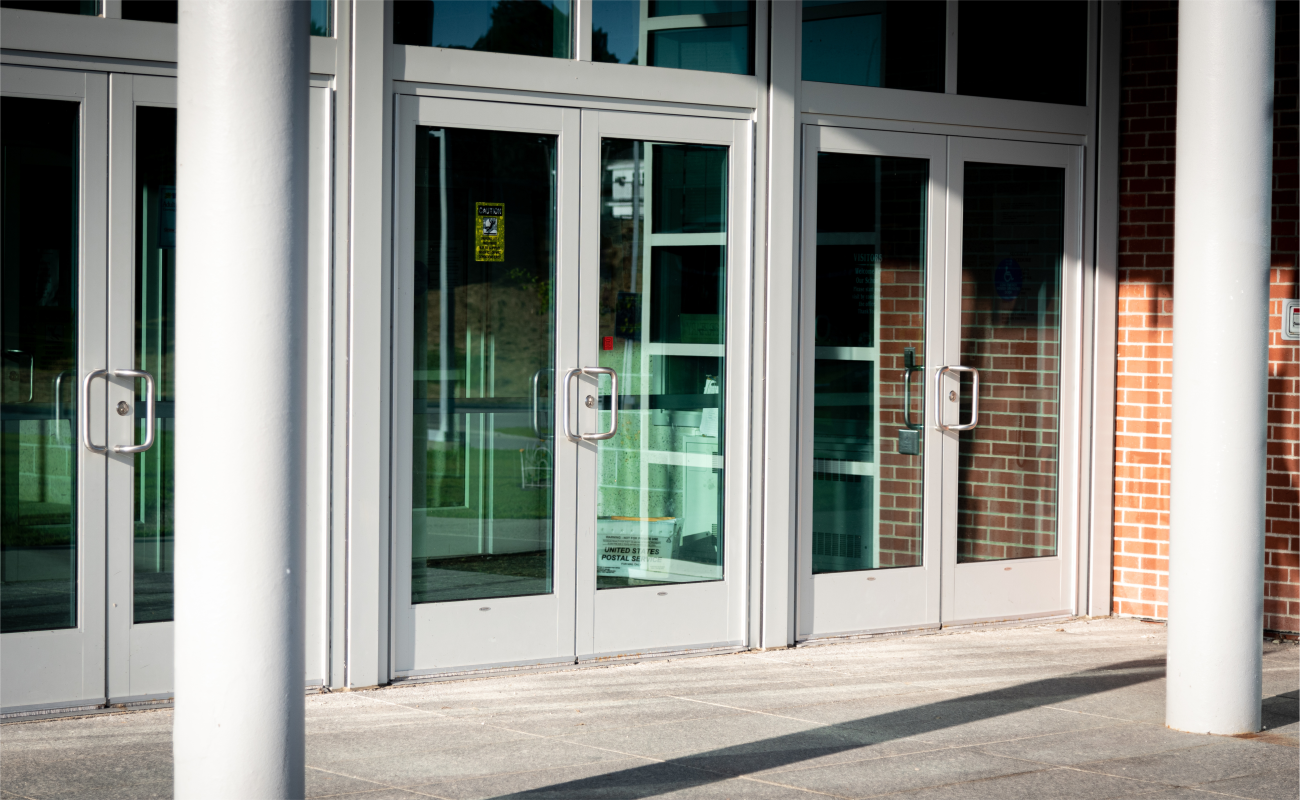
When constructing a new commercial building, every design decision affects safety, functionality, and long-term operating costs. One of the most important yet often overlooked components is the commercial door system. Doors are not only the main entry point for employees and customers—they also play a major role in security, accessibility, fire safety, and the overall appearance of the building.
Choosing the right commercial doors and ensuring they are properly installed is critical for any new business property. This guide walks through everything business owners, developers, and property managers should know about commercial door installation for new buildings, from planning and door types to safety requirements and long-term maintenance.
Why Commercial Door Planning Matters in New Construction
Installing doors during new construction is very different from replacing a door in an existing building. The door system must be integrated into the building’s architecture, structural openings, accessibility requirements, and security planning.
Poor planning can lead to issues such as:
Doors that don’t meet building codes
Accessibility compliance problems
Higher long-term maintenance costs
Security vulnerabilities
Expensive retrofits later
By planning door installation early in the construction process, businesses can ensure their entrances are safe, durable, and designed for heavy commercial use.
Types of Commercial Doors Used in Business Buildings
Different areas of a commercial building require different types of doors. Choosing the right door system depends on the function of the space, traffic levels, and security requirements.
Aluminum Storefront Glass Doors
These are among the most common doors used in commercial buildings. They typically feature aluminum frames with tempered safety glass panels.
They are ideal for:
Retail storefronts
Office building entrances
Restaurants and cafes
Medical offices
Benefits include:
Clean and modern appearance
High durability
Strong resistance to corrosion
Excellent visibility for storefronts
Because of their durability and professional appearance, aluminum storefront doors are one of the most popular choices for new commercial construction.
Hollow metal doors are widely used in interior commercial spaces and service entrances. They are made from steel and designed for strength and durability.
These doors are commonly installed in:
Utility rooms
Mechanical rooms
Back-of-house service areas
Office interiors
Benefits include:
Strong security
Fire resistance options
Long lifespan in high-use environments
Automatic Doors
Automatic doors are commonly installed in buildings that require convenient and accessible entry points.
These are frequently used in:
Medical facilities
Hospitals
Grocery stores
Large office buildings
Hotels
Automatic doors offer:
Hands-free entry
Improved accessibility
Smooth traffic flow during busy hours
Because these systems involve sensors, motors, and electrical components, installation must be handled by experienced professionals.
Glass Pivot Doors and Frameless Doors
For businesses looking to create a high-end appearance, frameless glass doors and pivot doors offer a sleek, modern design.
These doors are often used in:
Corporate offices
Luxury retail stores
Showrooms
Professional buildings
While they provide a clean aesthetic, they typically require thicker glass and specialized hardware, which can increase installation costs.
Choosing the Right Glass for Commercial Doors
Glass plays a major role in the performance and safety of storefront doors.
Tempered Glass
Tempered glass is the most commonly used material in commercial doors. It is heat-treated to make it significantly stronger than standard glass.
Benefits include:
High impact resistance
Improved safety if broken
Compliance with many building codes
When tempered glass breaks, it shatters into small pieces instead of dangerous shards, making it safer in public spaces.
Laminated Glass
Laminated glass consists of multiple glass layers bonded with a plastic interlayer. This construction helps hold the glass together if it breaks.
Laminated glass is often used when buildings require:
Increased security
Impact resistance
Noise reduction
Many businesses choose laminated glass for high-security storefronts or buildings located in busy urban areas.
Understanding ADA Compliance for Commercial Doors
Accessibility is an essential consideration for new business buildings. In the United States, many commercial doors must comply with Americans with Disabilities Act (ADA) accessibility requirements.
These requirements help ensure that entrances are usable by individuals with disabilities.
Common ADA considerations include:
Door width and clearance
Handle and hardware design
Opening force requirements
Accessible thresholds
Automatic door options
Failure to meet accessibility standards can result in costly modifications later, which is why ADA compliance should be addressed during the design phase.
Important Commercial Door Hardware
A commercial door system includes more than just the door itself. The hardware components are critical for performance, security, and safety.
Door Closers
Door closers control how quickly a door shuts. They help ensure doors close automatically after each use, which improves security and energy efficiency.
Properly adjusted closers prevent doors from slamming or failing to latch.
Panic Bars (Exit Devices)
Panic bars allow occupants to quickly exit a building during an emergency by pushing against a horizontal bar on the door.
These devices are commonly required in:
Retail spaces
Public buildings
Assembly areas
They play an important role in fire safety and emergency evacuation.
Hinges and Pivot Systems
Commercial doors rely on heavy-duty hinges or pivot systems designed to handle frequent use.
High-quality hinges are essential for:
Smooth door operation
Proper alignment
Long-term durability
Low-quality or improperly installed hinges can lead to misalignment and premature hardware failure.
Locks and Security Hardware
Security is a major consideration when selecting commercial door hardware. Businesses may choose from a variety of locking systems, including:
Standard keyed locks
Keypad access systems
Electronic access control
Magnetic locking systems
The right security hardware depends on the type of building and how the space will be used.
The Commercial Door Installation Process
Installing commercial doors during new construction typically involves several steps.
Step 1: Evaluating the Door Opening
Contractors first inspect the door opening to ensure it matches the specifications for the door system being installed.
This includes verifying:
Frame dimensions
Structural support
Wall alignment
Clearance requirements
Proper preparation of the opening is essential for a successful installation.
Step 2: Installing the Door Frame
The door frame is installed first and securely anchored to the building structure.
Accurate frame installation ensures:
Proper door alignment
Smooth operation
Long-term durability
If the frame is even slightly misaligned, the door may not function correctly.
Step 3: Installing the Door and Glass Panels
Once the frame is secured, the door and glass components are installed. This step requires careful handling to avoid damaging the glass or hardware.
Technicians ensure that the door is:
Properly aligned within the frame
Balanced for smooth operation
Securely mounted with appropriate hardware
Step 4: Installing Hardware and Adjustments
After the door is mounted, the hardware components are installed and adjusted.
This includes:
Door closers
Handles and locks
Panic bars
Hinges and pivots
Technicians then test the door to ensure it opens and closes smoothly.
Step 5: Final Inspection and Safety Checks
The final step involves verifying that the door system meets safety standards and operates properly.
Contractors check for:
Smooth door movement
Proper latch function
Correct closer speed
Secure glass installation
Once completed, the door system is ready for daily commercial use.
Common Mistakes to Avoid When Installing Commercial Doors
Several mistakes can create long-term issues for business buildings.
Common problems include:
Choosing residential-grade doors instead of commercial systems
Ignoring accessibility requirements
Installing doors without proper hardware
Using incorrect glass types
Improper frame alignment
Working with experienced commercial door professionals helps avoid these issues.
Maintaining Commercial Doors After Installation
Even newly installed doors require regular maintenance to keep them functioning properly.
Routine maintenance typically includes:
Inspecting door alignment
Checking glass for damage
Tightening hardware
Adjusting door closers
Lubricating hinges and moving parts
Most commercial doors should be professionally serviced at least once per year, with more frequent inspections in high-traffic buildings.
Final Thoughts
Commercial door installation is a critical part of building a new business property. The right door system improves safety, accessibility, and security while creating a professional first impression for customers and visitors.
By choosing the appropriate door types, installing durable hardware, and ensuring proper installation, businesses can create entrances that perform reliably for many years.
Planning ahead and working with experienced commercial door professionals helps ensure the installation process goes smoothly and the finished result meets both operational needs and building requirements. Contact Apex Door and Glass for commercial door installation services in Hampton Roads Virginia.
Ready to Get Started?
Get a free estimate from a trusted Hampton Roads commercial glass & door company.

COMPANY
About Us
Industries
Service Areas
Reviews
Blog
Contact
809 Live Oak Dr, Suite 1
Chesapeake, VA 23320




M-F 8AM-4:30PM
service@apexdoorandglass.com
(757) 713-8894 or (757) 713-2643
© 2026 Apex Door and Glass. All rights reserved.
Website Design by BragencyX
Hampton Roads, Virginia & Elizabeth City, North Carolina's premier commercial door, glass, and window company.
GET IN TOUCH