
Commercial Glass Installation Process
Learn how the commercial glass installation process works, including site evaluation, fabrication, framing, installation, weatherproofing, and long-term performance considerations for commercial buildings.
GLASS
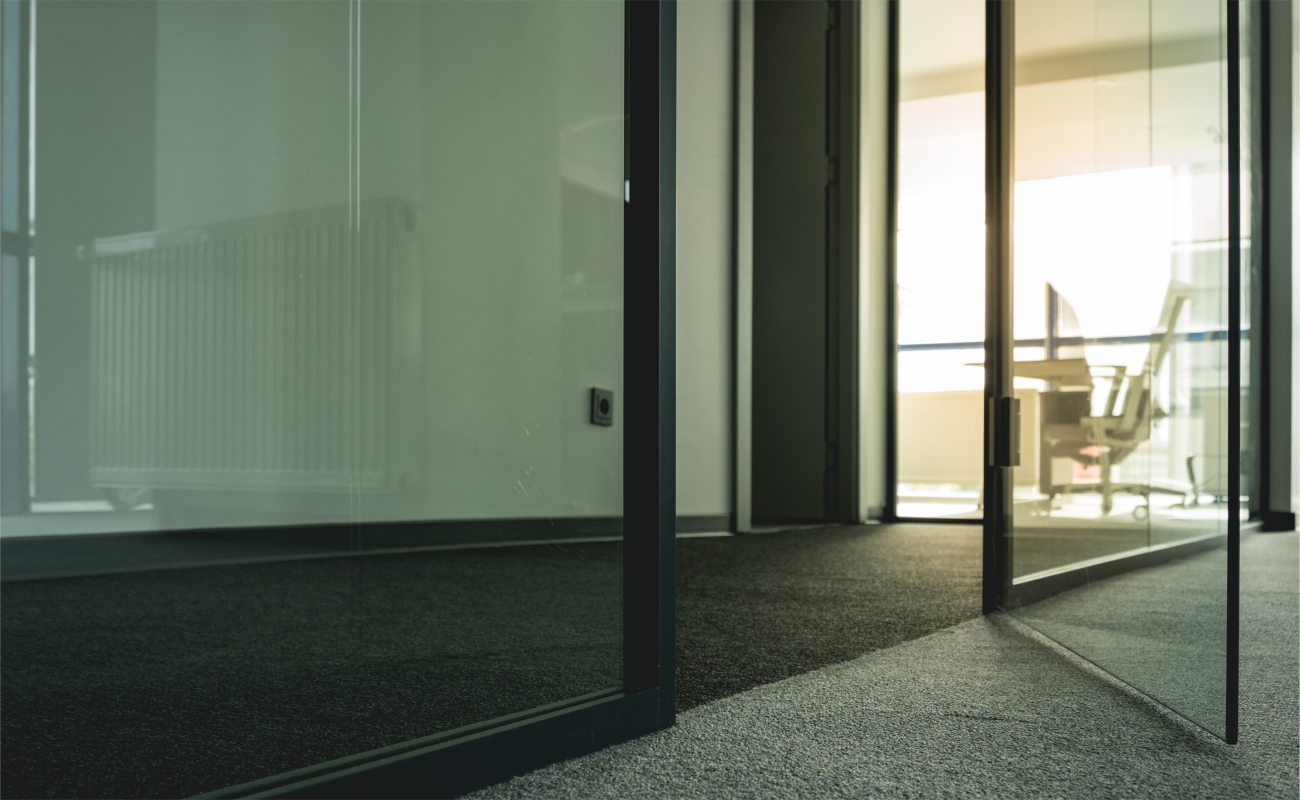
Commercial glass installation is a highly specialized process that combines engineering, precision fabrication, structural planning, and expert installation techniques to create safe, durable, and visually appealing glass systems for commercial properties. Unlike residential glazing, commercial glass installation involves larger structural loads, stricter code requirements, complex framing systems, and higher performance expectations.
Whether the project involves a storefront system, office building, curtain wall, glass entrance system, or interior commercial partitions, every phase of installation must be carefully executed to ensure long-term structural integrity, energy efficiency, and safety compliance.
Understanding how the commercial glass installation process works helps business owners, property managers, and developers make informed decisions while setting realistic expectations for project timelines and performance.
Initial Consultation and Site Evaluation
Every commercial glass installation project begins with an on-site consultation and structural evaluation. During this phase, commercial glazing specialists assess the building, review project goals, and identify the specific performance requirements of the system.
This step is critical because no two commercial buildings are exactly alike. Factors such as building height, environmental exposure, occupancy type, architectural design, and local code requirements all influence how the glass system must be designed and installed.
During the evaluation process, technicians typically examine:
Existing structural conditions
Framing requirements
Wind load exposure
Energy efficiency goals
Security considerations
Accessibility compliance
Water drainage and weatherproofing needs
Precise measurements are taken using laser tools and digital equipment to ensure fabrication accuracy. Even small measurement errors can affect alignment, seal integrity, and long-term performance.
For storefront systems and large commercial facades, this planning stage is one of the most important parts of the entire installation process.
Glass System Design and Material Selection
Once the site evaluation is complete, the design and material selection phase begins. Commercial glass systems are engineered to meet both structural demands and aesthetic goals.
At this stage, decisions are made regarding:
Glass type
Framing systems
Thermal performance
Safety glazing requirements
Acoustic performance
Security upgrades
Architectural appearance
Several types of commercial glass may be selected depending on the project:
Tempered glass
Laminated glass
Insulated glass units (IGUs)
Low-E coated glass
Reflective or tinted glass
Impact-resistant glazing
The framing system is equally important. Commercial installations commonly use aluminum storefront framing, curtain wall systems, or structural glazing assemblies designed to support large glass panels while accommodating building movement and environmental stress.
For office buildings and retail storefronts, energy efficiency has become an increasingly important consideration. Many modern commercial systems are designed to reduce heat transfer, improve occupant comfort, and lower long-term utility costs.
Engineering and Code Compliance
Commercial glass installation must comply with local building codes, safety regulations, and engineering standards. Before fabrication begins, the system is reviewed to ensure it satisfies all applicable requirements.
This may include compliance with:
International Building Code (IBC)
Safety glazing standards
Wind load requirements
ADA accessibility standards
Energy efficiency regulations
Fire safety requirements
Commercial properties often require permits and inspections throughout the installation process. Proper engineering ensures the system performs safely under environmental loads such as wind pressure, thermal expansion, and structural movement.
In coastal areas and storm-prone regions, additional impact resistance requirements may also apply.
Fabrication of Commercial Glass Systems
Once specifications are finalized and approved, fabrication begins.
Commercial glass panels are custom-manufactured based on exact project dimensions and performance requirements. Depending on the system, fabrication may involve:
Precision cutting
Edge finishing
Tempering
Laminating
Applying Low-E coatings
Assembling insulated glass units
Custom tinting or reflective treatments
At the same time, aluminum framing systems are fabricated and prepared for installation.
Because commercial glazing systems are highly customized, fabrication quality directly affects installation precision and long-term durability. Properly manufactured systems help prevent issues such as air leaks, water infiltration, stress fractures, and alignment failures.
Site Preparation and Removal of Existing Systems
Before installation begins, the job site must be properly prepared.
For replacement projects, existing storefront systems or damaged glass must be carefully removed without compromising surrounding structural components. This process requires specialized tools and safety procedures, especially when working with large commercial panels.
Preparation typically includes:
Securing the work area
Removing old glazing materials
Inspecting structural framing
Cleaning mounting surfaces
Verifying measurements
Preparing anchoring systems
Any structural deficiencies discovered during this phase are addressed before new materials are installed.
Proper preparation is essential because even the highest-quality commercial glass system can fail prematurely if the substrate or framing conditions are compromised.
Commercial Glass Installation
The installation phase is where precision becomes critical. Commercial glass systems must be installed with exact alignment and structural balance to ensure safety, weather resistance, and long-term performance.
The process usually begins with frame installation. Aluminum or steel framing systems are anchored to the building structure using engineered fastening methods designed to support the weight and movement of the glass system.
Once the framing is secured and leveled, the glass panels are carefully positioned using specialized lifting equipment such as suction lifters, cranes, or mechanical glazing tools.
Because commercial glass panels are often extremely large and heavy, installation requires careful coordination and experienced technicians.
After placement, installers secure the system using:
Glazing gaskets
Structural silicone sealants
Pressure plates
Anchoring components
Thermal spacers
Proper sealing is essential for preventing:
Water infiltration
Air leakage
Condensation issues
Energy loss
Alignment adjustments are then performed to ensure smooth operation for doors and proper visual consistency across the entire storefront or facade.
Weatherproofing and Performance Testing
Once the system is installed, weatherproofing becomes a major focus.
Commercial glazing systems must resist:
Rain intrusion
Wind pressure
Thermal expansion
UV exposure
Air infiltration
Installers carefully inspect seals, joints, flashing systems, and drainage channels to ensure the building envelope performs correctly.
On larger commercial projects, water testing and performance inspections may be conducted to verify the system meets engineering specifications.
Proper weatherproofing is one of the most important factors affecting the long-term lifespan of commercial glass systems.
Final Inspection and Quality Control
Before project completion, the entire installation undergoes a detailed inspection process.
Technicians review:
Glass alignment
Seal integrity
Surface quality
Structural stability
Hardware operation
Door functionality
Safety compliance
Any necessary adjustments are made before final approval.
Commercial properties often require municipal inspections or third-party verification to confirm compliance with building regulations and safety standards.
Ongoing Maintenance and Long-Term Performance
Commercial glass systems are designed for long-term durability, but routine maintenance remains essential for maximizing lifespan and performance.
Over time, environmental exposure, structural movement, and seal wear can affect system performance. Regular inspections help identify early signs of:
Seal deterioration
Moisture intrusion
Frame movement
Hardware wear
Surface damage
Proper maintenance helps businesses avoid costly repairs while preserving the appearance and efficiency of the system.
For storefronts and office buildings, maintaining clean, properly functioning glass systems also plays an important role in customer perception and professional presentation.
Why Professional Commercial Glass Installation Matters
Commercial glass installation is not simply about placing glass into a frame. It is a technical process that affects:
Building safety
Energy efficiency
Security
Structural performance
Weather resistance
Occupant comfort
Architectural appearance
Poor installation can lead to costly issues such as leaks, thermal inefficiency, premature glass failure, and structural instability.
Professional commercial glazing contractors understand how to properly engineer, fabricate, and install systems that perform reliably under real-world conditions for years to come.
Final Thoughts
The commercial glass installation process involves far more than most property owners realize. From engineering and fabrication to structural installation and weatherproofing, every phase requires precision, planning, and technical expertise.
Whether installing a new storefront system, upgrading office glass, or replacing aging commercial glazing, the quality of the installation directly impacts the long-term performance and durability of the entire building envelope.
Businesses that invest in properly designed and professionally installed commercial glass systems benefit from improved aesthetics, stronger security, better energy efficiency, and long-term reliability. Contact Apex Door and Glass for a free estimate on commercial glass installation.
Ready to Get Started?
Get a free estimate from a trusted Hampton Roads commercial glass & door company.

COMPANY
About Us
Industries
Service Areas
Reviews
Blog
Contact
809 Live Oak Dr, Suite 1
Chesapeake, VA 23320




M-F 8AM-4:30PM
service@apexdoorandglass.com
(757) 713-8894 or (757) 713-2643
© 2026 Apex Door and Glass. All rights reserved.
Website Design by BragencyX
Hampton Roads, Virginia & Elizabeth City, North Carolina's premier commercial door, glass, and window company.
GET IN TOUCH