
Frameless Storefront Systems
Learn how frameless storefront systems work, including glass types, structural design, energy efficiency, security, maintenance, and modern commercial storefront benefits.
GLASS
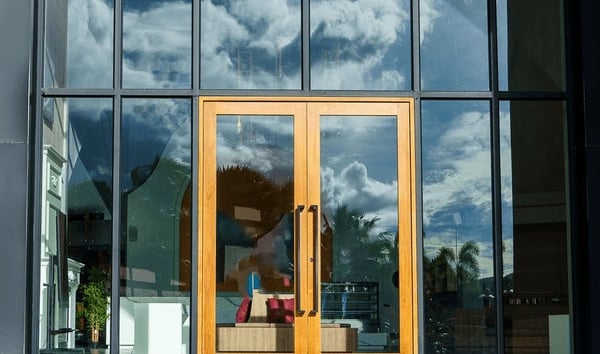
Frameless storefront systems have become one of the most popular modern design choices for commercial properties because of their clean appearance, open visibility, and contemporary architectural style. Unlike traditional storefront systems that rely heavily on visible aluminum framing, frameless storefronts minimize visual barriers and create a seamless glass appearance that feels modern, high-end, and inviting.
For retail stores, office buildings, restaurants, medical facilities, and commercial showrooms, frameless storefront systems offer more than just aesthetics. They also improve natural light exposure, enhance visibility into the business, and create a more sophisticated customer experience.
As modern commercial architecture continues moving toward cleaner and more minimal designs, frameless glass storefront systems are becoming increasingly common in both new construction and commercial renovation projects.
What Is a Frameless Storefront System?
A frameless storefront system is a commercial glazing system designed to reduce or eliminate visible vertical framing around glass panels. Instead of relying on large aluminum mullions between sections of glass, these systems use specialized structural hardware, minimal framing components, and precision-engineered glass panels to create a continuous glass appearance.
Most frameless systems still contain structural support elements, but they are intentionally minimized or concealed to maintain a sleek architectural look.
The result is a storefront with:
Larger uninterrupted glass surfaces
Improved visibility
Cleaner sightlines
A more modern appearance
Frameless systems are commonly used for:
Retail storefronts
Luxury boutiques
Restaurants
Corporate offices
Salons and spas
Medical offices
Commercial entrances
Interior office partitions
Because of their visual impact, frameless storefronts are often selected by businesses that want to create a premium or upscale first impression.
Why Frameless Storefront Systems Are Popular
One of the biggest reasons businesses choose frameless storefront systems is visual presentation. In commercial environments, curb appeal directly affects customer perception. A storefront often creates a customer’s first impression before they ever interact with the business itself.
Frameless systems create a cleaner, more open appearance that naturally feels modern and professional. The increased visibility also allows businesses to showcase interior spaces, merchandise, branding, or architectural design more effectively from outside the building.
For retail environments especially, maximizing transparency can improve customer engagement and increase walk-in traffic by making the space feel more accessible and inviting.
The minimal framing also allows significantly more natural light to enter the building, which can improve the interior atmosphere while reducing dependence on artificial lighting during daytime hours.
How Frameless Storefront Systems Work
Although frameless storefront systems appear visually simple, they require highly engineered structural support and precise installation methods.
The system typically uses large tempered or laminated glass panels secured with specialized hardware such as:
Top and bottom rails
Patch fittings
Structural silicone glazing
Concealed anchoring systems
Floor closers and pivot hardware
The glass itself becomes a major structural component of the system.
Because there is less visible framing to absorb movement or installation imperfections, frameless systems require extremely accurate measurements and careful alignment during installation. Even small inconsistencies can affect visual symmetry, door operation, and long-term performance.
Professional installation is critical because these systems must balance both aesthetics and structural integrity simultaneously.
Tempered and Laminated Glass in Frameless Systems
Frameless storefront systems typically rely on tempered glass, laminated glass, or a combination of both depending on the project requirements.
Tempered glass is commonly used because of its strength and safety performance. It resists impact well and breaks into small granular fragments rather than dangerous shards if failure occurs.
Laminated glass is often selected for applications where additional security, sound control, or impact resistance is desired. Because laminated glass remains intact after breakage, it can provide improved protection against forced entry and environmental exposure.
The choice between tempered and laminated glass depends on factors such as:
Building code requirements
Security priorities
Environmental exposure
Acoustic performance goals
Budget considerations
In many modern commercial storefronts, insulated laminated systems are combined with Low-E coatings to improve both energy efficiency and security performance.
Energy Efficiency and Environmental Performance
Modern frameless storefront systems are not purely aesthetic. Many are engineered to support strong thermal and energy performance when paired with advanced commercial glazing technologies.
High-performance frameless systems may include:
Insulated glass units (IGUs)
Low-E coatings
Thermal spacers
Solar control glazing
UV-reducing interlayers
These technologies help reduce heat transfer, improve occupant comfort, and lower long-term energy costs.
In warmer climates or sun-exposed storefronts, energy-efficient glazing becomes especially important because large glass surfaces naturally absorb and transfer heat.
Well-designed frameless systems allow businesses to maintain the benefits of open visibility and natural light while still supporting energy performance goals.
Structural Considerations and Building Movement
One of the most technically challenging aspects of frameless storefront systems is accommodating structural movement.
Commercial buildings naturally expand, contract, and shift slightly over time due to:
Temperature changes
Wind loads
Foundation settling
Structural vibration
Traditional framed systems absorb some of this movement through visible mullions and framing components. Frameless systems rely more heavily on engineered hardware and glass tolerances to manage these stresses safely.
This is one reason frameless storefront systems require experienced commercial glazing contractors familiar with structural glass engineering and precision installation practices.
Improper installation can lead to:
Glass stress fractures
Alignment problems
Seal failures
Water infiltration
Door operation issues
Long-term durability depends heavily on installation quality and proper system engineering.
Maintenance Requirements for Frameless Storefront Systems
Frameless storefronts are relatively low-maintenance, but regular care is still important to preserve both appearance and performance.
Because the system relies heavily on exposed glass surfaces, fingerprints, dirt, and environmental buildup are often more visible than on traditional framed storefronts. Routine cleaning helps maintain clarity and professional appearance.
Maintenance also includes periodic inspection of:
Hardware components
Door pivots and closers
Structural sealants
Weatherproofing systems
Glass edges and corners
Proper maintenance helps prevent operational issues while extending the lifespan of the storefront system.
Businesses located in coastal or high-traffic areas may require more frequent cleaning and inspection due to increased environmental exposure.
Security Considerations for Frameless Storefronts
Some business owners assume frameless storefront systems are less secure because of their open appearance, but modern systems can actually provide excellent security when properly designed.
Security performance depends largely on:
Glass type
Hardware quality
Framing support
Locking systems
Installation precision
Laminated glass, reinforced entry hardware, security film, and impact-rated glazing can all improve storefront protection significantly.
For businesses requiring enhanced security, frameless systems can be engineered to balance both aesthetics and protection without sacrificing the modern appearance that makes these storefronts desirable.
Are Frameless Storefront Systems Right for Every Business?
Frameless storefront systems are highly versatile, but they are not always the ideal solution for every commercial property.
Businesses that benefit most from frameless storefronts typically prioritize:
Modern branding
Premium aesthetics
Visibility
Customer experience
Natural lighting
Open architectural design
Luxury retail stores, modern office spaces, salons, restaurants, and showrooms often gain the most visual and branding value from frameless systems.
However, project goals, budget, environmental exposure, and security requirements should always be considered before selecting a storefront system.
Final Thoughts
Frameless storefront systems combine modern architectural design with high-performance commercial glazing technology to create clean, visually striking storefronts that enhance both appearance and functionality.
By maximizing visibility, natural light, and visual openness, these systems help businesses create stronger first impressions while supporting modern commercial aesthetics.
When properly engineered and professionally installed, frameless storefront systems can deliver long-term durability, energy efficiency, and structural performance while maintaining the sleek appearance that has made them one of the most sought-after storefront options in modern commercial construction. Get professional storefront systems installation today.
Ready to Get Started?
Get a free estimate from a trusted Hampton Roads commercial glass & door company.

COMPANY
About Us
Industries
Service Areas
Reviews
Blog
Contact
809 Live Oak Dr, Suite 1
Chesapeake, VA 23320




M-F 8AM-4:30PM
service@apexdoorandglass.com
(757) 713-8894 or (757) 713-2643
© 2026 Apex Door and Glass. All rights reserved.
Website Design by BragencyX
Hampton Roads, Virginia & Elizabeth City, North Carolina's premier commercial door, glass, and window company.
GET IN TOUCH