
How Commercial Glass Installation Works for Office Buildings
Learn how commercial glass installation works for office buildings, including design, materials, permitting, fabrication, and professional installation steps.
GLASS
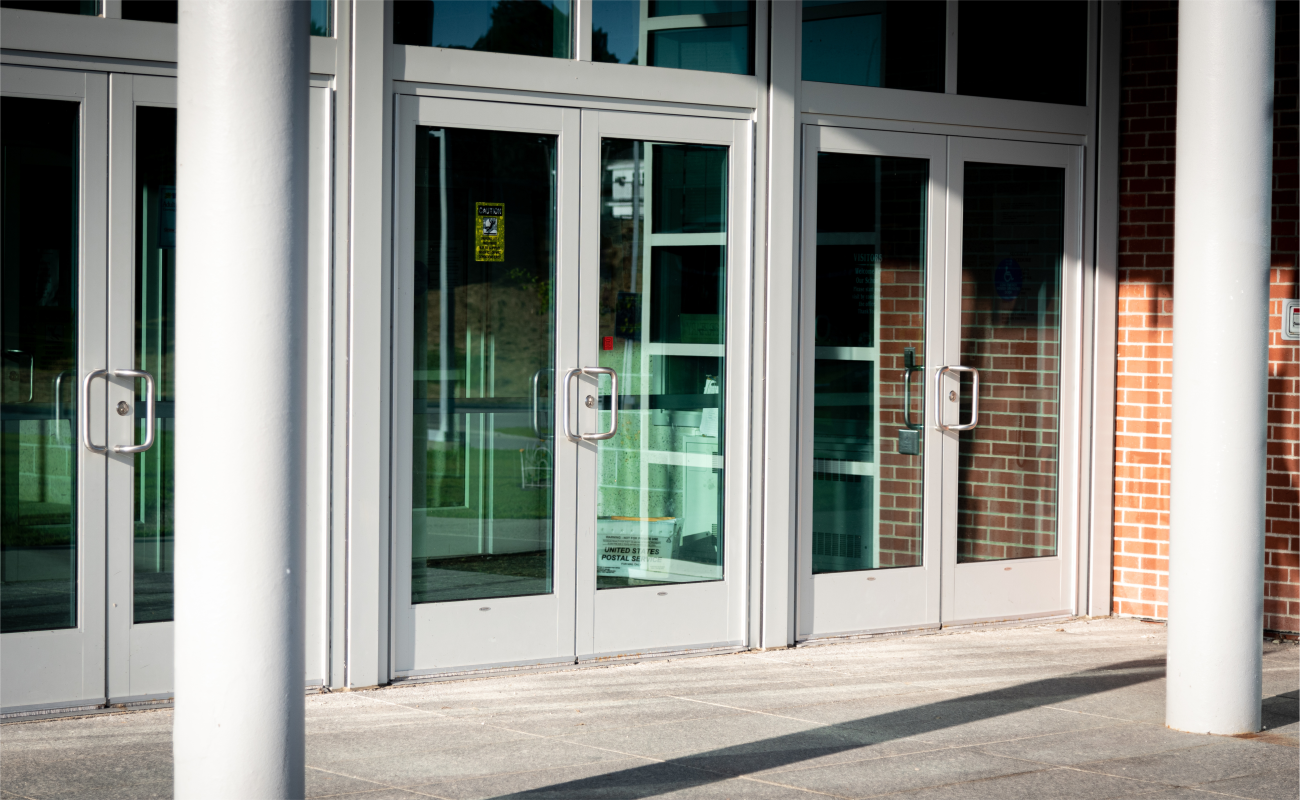
Commercial glass installation in office buildings is a highly engineered process that blends structural planning, precision fabrication, safety compliance, and architectural design. Unlike residential glass work, office-grade commercial systems must meet strict building codes, energy efficiency standards, and long-term durability requirements while also contributing to aesthetics, branding, and natural lighting performance.
Below is a detailed breakdown of how the process works from initial assessment to final installation and inspection.
1. Initial Site Evaluation and Engineering Assessment
Every commercial glass project begins with a technical site evaluation. This step determines feasibility, structural constraints, and system requirements.
A professional glazing contractor will assess:
Existing framing systems (aluminum, steel, curtain wall, or storefront framing)
Load-bearing capacity of the structure
Wind load and environmental exposure (especially coastal areas like Virginia)
Thermal performance requirements (energy codes, insulation needs)
Building use (corporate office, medical office, mixed-use, etc.)
At this stage, measurements are taken using laser precision tools to ensure millimeter-level accuracy. Even minor deviations can compromise seal integrity, alignment, or long-term performance.
2. Design Coordination and System Selection
Once the structure is evaluated, the design phase begins. This step often involves collaboration between architects, engineers, and the glazing contractor.
Key decisions include:
Glass Type Selection
Tempered glass – Heat-treated for strength and safety
Laminated glass – Multi-layered for security and sound control
Insulated glass units (IGUs) – Double or triple-pane for energy efficiency
Low-E coatings – Reduce UV exposure and improve thermal control
Framing Systems
Curtain wall systems for large glass facades
Aluminum storefront systems for ground-level office entries
Structural silicone glazing for modern frameless aesthetics
Performance Requirements
Energy efficiency (U-factor and SHGC ratings)
Sound transmission reduction (STC ratings)
Impact resistance (especially for high-traffic or urban offices)
This stage ensures the system meets both design intent and regulatory compliance.
3. Permitting and Code Compliance
Commercial glass installation must comply with local and national building codes, including:
International Building Code (IBC)
Energy codes (IECC standards)
ADA accessibility requirements (for entrances and storefronts)
Fire safety regulations
Permits are typically required before fabrication begins. Inspections may also be scheduled at multiple stages of installation depending on project size.
Failing to meet compliance can result in costly delays, reinstallation, or failed inspections, making this step critical for project success.
4. Fabrication of Glass and Framing Systems
After approval, materials move into fabrication.
Glass panels are custom-manufactured based on exact measurements. This includes:
Cutting raw glass sheets to specification
Tempering or laminating for safety standards
Applying coatings (Low-E, tint, or reflective finishes)
Assembling insulated glass units (IGUs) with sealed airspaces
Simultaneously, aluminum framing systems are fabricated to match precise installation dimensions. Each component is labeled and staged for efficient on-site assembly.
5. Site Preparation and Structural Readiness
Before installation begins, the site must be properly prepared.
This includes:
Removal of old glass or storefront systems (if replacement project)
Structural reinforcement if needed
Cleaning and leveling of mounting surfaces
Weatherproofing preparation
Staging of materials for installation workflow efficiency
Proper preparation reduces installation errors and ensures airtight sealing and alignment.
6. Installation of Commercial Glass Systems
This is the most critical phase of the entire process.
Step-by-Step Installation Process:
1. Frame Installation
Aluminum or steel framing systems are anchored into the building structure using engineered fasteners. Precision leveling is essential to prevent stress fractures in glass panels.
2. Glass Placement
Large glass panels are lifted using suction lifters or cranes depending on size. Panels are carefully inserted into the framing system with controlled pressure to avoid micro-fractures.
3. Sealing and Weatherproofing
High-performance silicone sealants and gaskets are applied to ensure:
Air-tight sealing
Water resistance
Thermal insulation integrity
4. Alignment and Adjustment
Technicians fine-tune alignment to ensure:
Uniform sightlines
Proper door functionality (if applicable)
Structural balance under load conditions
7. Quality Control and Safety Inspection
After installation, a full inspection is conducted to verify:
Glass integrity (no cracks, chips, or stress points)
Seal performance
Frame alignment
Hardware function (doors, locks, hinges)
Compliance with safety codes
Many commercial projects require third-party inspection approval before final occupancy or use.
8. Final Cleanup and Project Handover
Once the system passes inspection, the site is cleaned and the project is formally handed over to the client.
Contractors typically provide:
Maintenance guidelines for glass cleaning and care
Warranty documentation (glass and labor coverage)
Recommendations for long-term performance optimization
9. Long-Term Performance Considerations
Commercial glass systems are designed for longevity, but performance depends on maintenance and environmental exposure.
Key factors affecting lifespan:
Exposure to salt air (coastal environments)
Frequency of cleaning and seal inspection
Structural movement of the building
UV exposure over time
Routine inspections help identify early signs of seal failure or frame degradation, preventing costly replacements.
Why Proper Commercial Glass Installation Matters
High-quality commercial glass installation is not just about appearance... it directly impacts:
Energy efficiency and utility costs
Workplace comfort and natural lighting
Security and impact resistance
Brand perception and curb appeal
Long-term building value
For office buildings especially, glass systems often define the architectural identity of the structure.
Call Apex Door and Glass for a free estimate on commercial glass installation for office buildings.
Ready to Get Started?
Get a free estimate from a trusted Hampton Roads commercial glass & door company.

COMPANY
About Us
Industries
Service Areas
Reviews
Blog
Contact
809 Live Oak Dr, Suite 1
Chesapeake, VA 23320




M-F 8AM-4:30PM
service@apexdoorandglass.com
(757) 713-8894 or (757) 713-2643
© 2026 Apex Door and Glass. All rights reserved.
Website Design by BragencyX
Hampton Roads, Virginia & Elizabeth City, North Carolina's premier commercial door, glass, and window company.
GET IN TOUCH