
How Much Does It Cost to Replace a Commercial Window?
How much does it cost to replace a commercial window? Explore replacement prices, glass types, installation costs, and factors that affect your project budget.
WINDOWS
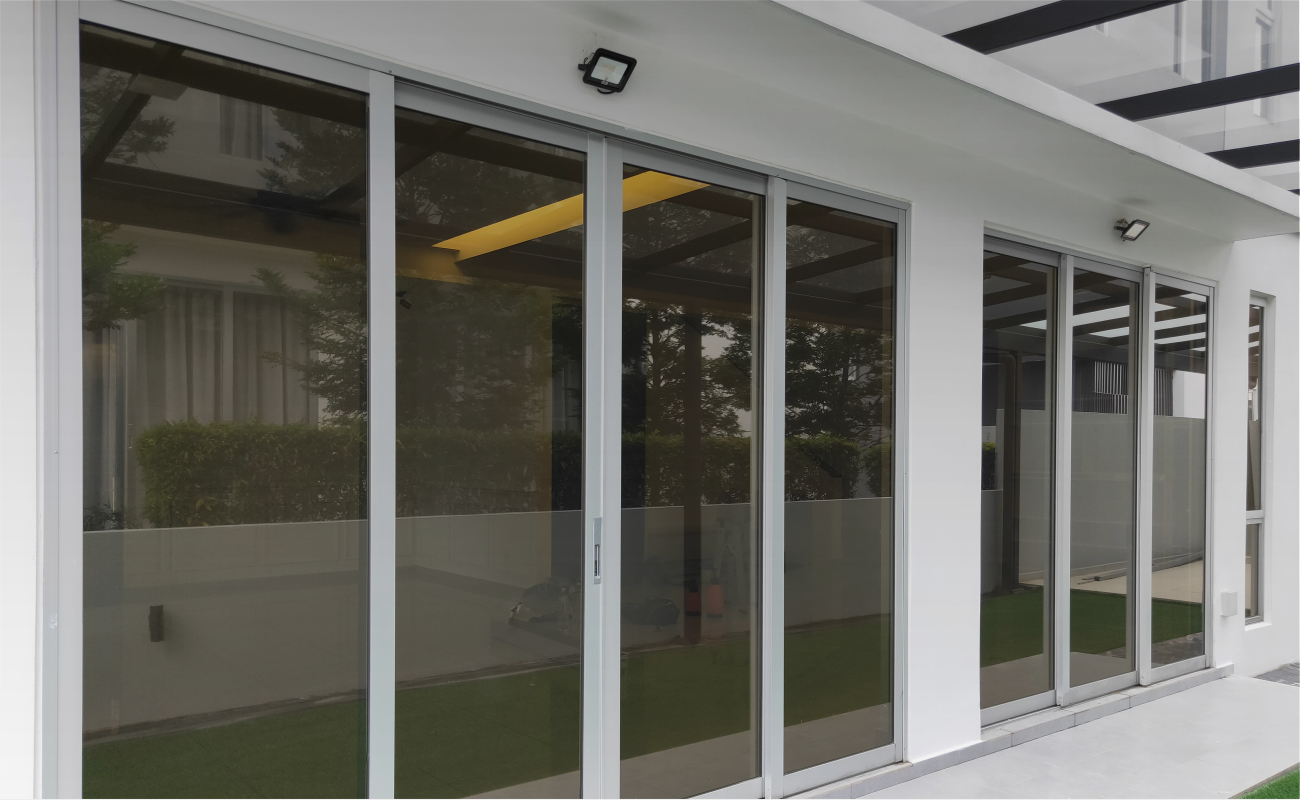
Replacing a commercial window can cost anywhere from a few hundred dollars to several thousand dollars, depending on the window's size, materials, glass type, installation requirements, and overall condition of the existing window system. While replacing a standard commercial window may be relatively straightforward, larger storefront windows, insulated glass units, and specialty commercial glazing systems can require significantly more labor and materials.
For business owners and commercial property managers, understanding the cost of window replacement is important when budgeting for building improvements, addressing damaged glass, or upgrading an existing property.
Commercial windows serve several purposes beyond providing natural light. They contribute to building security, energy efficiency, weather protection, noise reduction, and the overall appearance of a commercial property. Choosing the right replacement window can help reduce long-term maintenance costs while improving the building's functionality and appearance.
In this guide, we will break down the typical cost of replacing commercial windows, the factors that influence pricing, and what property owners should consider before starting a replacement project.
How Much Does It Cost to Replace a Commercial Window?
The cost of replacing a commercial window depends heavily on the type of window being installed and the complexity of the project.
As general budgeting estimates, commercial window replacement may fall within the following ranges:
Small commercial windows: Approximately $300–$800 per window.
Standard commercial windows: Approximately $500–$1,500 per window.
Large commercial windows: Approximately $1,000–$3,000 or more per window.
Commercial storefront glass: Approximately $15–$40 or more per square foot for certain glass materials, before considering all installation and project costs.
Specialty or high-performance commercial windows: Approximately $1,500–$5,000 or more per opening.
These figures are broad planning estimates, not guaranteed installation prices. Actual costs can vary significantly depending on the glazing system, frame construction, glass specifications, accessibility, and labor involved.
It is also important to distinguish between replacing an individual pane of glass and replacing an entire commercial window assembly.
For example, a business with a cracked storefront glass panel may only need a replacement glass unit. The existing aluminum frame, surrounding hardware, and other components may be reusable. However, if the frame is damaged, deteriorating, or no longer suitable for the new glass, a complete replacement may be necessary.
The most accurate way to determine the cost is to have the existing window evaluated and obtain a project-specific estimate.
What Factors Affect the Cost of Commercial Window Replacement?
Several factors determine how much a commercial window replacement project will cost. Two buildings may require windows of similar dimensions but receive very different estimates because of differences in materials, installation conditions, and performance requirements.
Understanding these factors can help property owners make better decisions and avoid unexpected expenses.
1. Window Size and Dimensions
Window size is one of the biggest factors affecting replacement costs. Larger windows require more glass, heavier framing components, and additional labor to handle and install safely.
A small office window may be relatively inexpensive to replace, while a large storefront window can require specialized equipment, multiple installers, and custom-fabricated glass.
Oversized commercial glass panels can also be more expensive to transport and handle because of their weight and dimensions.
2. Type of Glass
The type of glass selected has a significant impact on the overall replacement cost. Commercial properties use several different types of glass depending on their security, safety, energy efficiency, and appearance requirements.
Some common options include:
Tempered Glass: Tempered glass is heat-treated to increase its strength compared to standard annealed glass. When it breaks, it typically fractures into smaller pieces rather than large, sharp shards. It is commonly used in commercial storefronts, doors, and other applications where safety glazing is required.
Laminated Glass: Laminated glass consists of two or more layers of glass bonded together with an interlayer. If the glass breaks, the interlayer helps hold the fragments together. It is often selected for applications requiring additional protection against break-ins, impact, or noise.
Insulated Glass Units (IGUs): Insulated glass units consist of two or more panes separated by a sealed space, which may contain air or insulating gas. They help improve thermal performance and reduce heat transfer through the window.
Low-E Glass: Low-emissivity glass has a special coating designed to reduce heat transfer while allowing natural light to enter. It can help improve a commercial building's energy efficiency and reduce the workload on heating and cooling systems.
Tinted Glass: Tinted glass reduces the amount of visible light and solar energy entering a building. It is often used in commercial offices and storefronts to help manage glare, sunlight, and interior temperatures.
Specialty glass options generally cost more than standard clear glass. However, the additional investment may be worthwhile depending on the building's performance requirements and long-term operating costs.
3. Window Frame Material
The frame surrounding a commercial window is another important cost consideration. Different frame materials offer different levels of durability, insulation, maintenance requirements, and design flexibility.
Common commercial window frame materials include:
Aluminum: One of the most common materials used in commercial window and storefront systems. Aluminum is lightweight, durable, and resistant to corrosion, making it suitable for many commercial applications.
Steel: Steel frames offer excellent strength and are sometimes used in specialty commercial and architectural applications. They can support certain large or demanding glazing configurations but may require additional corrosion protection.
Vinyl: Vinyl frames are commonly used in certain commercial and multifamily residential applications. They offer good insulating properties and generally require relatively little maintenance.
Fiberglass: Fiberglass frames offer dimensional stability and good thermal performance. They are used in some commercial and institutional projects where energy efficiency is a priority.
If the existing frame is still in good condition, it may be possible to replace only the glass rather than the entire window assembly. This can significantly reduce the overall project cost.
4. Labor and Installation Complexity
Commercial window installation often requires more specialized labor than residential window replacement.
The complexity of the installation depends on several factors, including:
The size and weight of the glass panels.
Whether the existing window must be completely removed.
The condition of the surrounding frame and building structure.
Whether specialized lifting or glazing equipment is required.
The height and accessibility of the installation area.
Whether the business needs to remain operational during the project.
For example, replacing a ground-floor storefront window is generally less complicated than replacing a large glass panel several stories above ground level.
High-rise commercial buildings may require scaffolding, lifts, swing stages, or other specialized access equipment. These additional requirements can substantially increase installation costs.
5. Removal and Disposal of Existing Windows
Replacing a commercial window involves more than installing new glass. The existing window or glass assembly must also be removed safely.
Depending on the project, the contractor may need to remove old glazing, deteriorated sealants, damaged framing components, and other materials.
Large commercial glass panels require careful handling because of their weight and the potential safety hazards associated with broken or damaged glass.
Disposal costs may also vary depending on the quantity and type of materials being removed.
6. Building Accessibility and Location
The physical location of the window can affect the cost of replacement.
Ground-level windows are generally easier to access, while upper-floor windows may require additional equipment and labor.
Other considerations include:
Limited access to the building exterior.
Landscaping or other obstructions around the window.
Nearby pedestrian walkways.
Restrictions on working hours.
Occupied office spaces or retail businesses.
Additional precautions needed to protect customers, employees, and tenants.
Commercial properties that remain open during construction may require additional planning to minimize disruptions to daily operations.
7. Energy Efficiency Requirements
Some commercial window replacement projects involve upgrading older windows to improve energy performance.
Older windows may have single-pane glass, deteriorated seals, or outdated framing systems that allow excessive heat transfer.
Replacing them with insulated glass units, Low-E coatings, and thermally improved frames can help reduce unwanted heat gain and heat loss.
Although energy-efficient windows may have a higher initial purchase price, they can potentially reduce heating and cooling expenses over time.
The actual savings depend on the existing windows, building insulation, climate, HVAC system, and how the property is operated.
How Much Does It Cost to Replace Commercial Storefront Glass?
Commercial storefront glass replacement is one of the most common types of commercial window work. Retail stores, restaurants, office buildings, and other businesses frequently use large glass panels within aluminum framing systems.
The cost depends on whether the project involves replacing an individual glass panel or an entire storefront system.
Replacing Individual Storefront Glass Panels
For a standard storefront with an existing aluminum frame in good condition, replacing an individual glass panel may cost approximately $400–$1,500 or more.
Larger insulated glass units and specialty laminated glass can cost considerably more. Some published pricing guides place larger or more complex insulated storefront glass replacements in the $1,200–$2,500 range, with specialty security glazing potentially exceeding that amount.
Replacing an Entire Storefront System
Replacing an entire storefront system is a much larger project because it involves removing and installing the framing, glass, and potentially the entrance doors.
Depending on the size and specifications, a complete storefront replacement can cost several thousand dollars or tens of thousands of dollars.
For example, a small retail storefront with multiple glass panels and an entrance door may cost significantly more than replacing a single damaged window.
Factors that influence the price include:
Total storefront dimensions.
Aluminum framing system.
Glass thickness and type.
Number of entrance doors.
Required hardware and accessories.
Removal of the existing storefront.
Installation access and site conditions.
It is important to obtain an estimate based on the entire storefront configuration rather than assuming the cost of replacing one glass panel will represent the cost of replacing the complete system.
Should You Replace the Entire Commercial Window or Just the Glass?
One of the most important decisions when dealing with a damaged commercial window is determining whether the entire window assembly needs replacement or whether replacing the glass alone will solve the problem.
In many situations, replacing only the glass is the more affordable option. However, this depends on the condition of the existing window frame and the type of damage.
When Glass-Only Replacement Makes Sense
Replacing only the glass may be appropriate when:
A window has been cracked or shattered, but the surrounding frame is undamaged.
An insulated glass unit has developed condensation between the panes because of a failed seal.
The existing aluminum framing is structurally sound.
The replacement glass can be properly fitted into the existing system.
The existing frame and hardware remain compatible with current safety and performance requirements.
For example, if a storefront window is broken because of accidental impact but the aluminum frame remains intact, a contractor may be able to remove the damaged glass and install a replacement panel without disturbing the entire storefront.
When Full Window Replacement Is Necessary
A complete window replacement may be necessary when:
The window frame is bent, cracked, or structurally damaged.
Water is entering around the window because of deteriorated framing or failed installation components.
The existing window system is severely deteriorated.
The frame can no longer properly support or secure the glass.
The existing system does not meet the building's applicable safety or performance requirements.
Repeated repairs have become more expensive than replacing the entire assembly.
A professional evaluation can help determine which option makes the most financial sense.
How Long Does It Take to Replace a Commercial Window?
The time required to replace a commercial window depends on the size of the opening, type of glass, availability of materials, and complexity of the installation.
A straightforward replacement involving a single glass panel in an existing storefront frame may take only a few hours once the replacement glass is available.
However, custom commercial glass often needs to be measured, fabricated, and transported before installation can begin.
A general project timeline may look like this:
Initial Inspection and Measurements: The contractor evaluates the existing window, determines the required glass specifications, and takes measurements.
Glass Fabrication and Ordering: Custom glass is ordered or manufactured to the required dimensions and specifications.
Removal of Existing Glass: The damaged or outdated glass is carefully removed.
Installation: The replacement glass is installed, secured, and properly sealed.
Final Inspection: The contractor checks the installation, verifies that the glass is properly secured, and confirms that the surrounding system is functioning as intended.
Larger projects involving multiple windows, complete storefront replacements, or upper-floor installations may take several days or longer.
If a window has been shattered or damaged during a break-in, storm, or accident, temporary board-up services may be available to secure the opening while permanent replacement glass is being fabricated.
Does Commercial Window Replacement Require a Permit?
Whether a permit is required depends on the scope of the project, the building's location, and applicable local building codes.
Replacing a single damaged glass panel within an existing frame may be treated differently from removing and replacing an entire window system.
Projects involving structural modifications, changes to the building envelope, new openings, or significant alterations to storefront systems may require permits and inspections.
Commercial property owners should also consider applicable safety glazing requirements, energy codes, wind-load requirements, and other building standards.
In coastal areas such as Hampton Roads, wind resistance and the building's applicable design requirements can be particularly important when selecting replacement windows and storefront systems.
A qualified commercial glass contractor can help identify the appropriate glass specifications and determine whether additional permitting or code review may be necessary.
How Can You Save Money on Commercial Window Replacement?
Commercial window replacement can represent a significant expense, particularly when multiple windows or an entire storefront system needs attention. However, there are several ways property owners can manage costs without sacrificing safety or quality.
1. Replace Only the Damaged Glass When Possible
If the existing frame is structurally sound, replacing the glass alone may be considerably less expensive than replacing the entire window assembly.
Have the frame inspected before committing to a full replacement.
2. Address Window Damage Early
Small problems can become more expensive when ignored. Cracked glass, deteriorating seals, and minor water infiltration should be evaluated before they lead to additional damage.
3. Compare Glass Options
Not every commercial property requires the most expensive glass available. Work with a contractor to determine which glass specifications meet the building's requirements without paying for unnecessary upgrades.
4. Consider Long-Term Energy Efficiency
If your building has older, inefficient windows, upgrading to insulated glass or Low-E glazing may provide long-term energy benefits.
Consider the expected operating savings alongside the initial installation cost.
5. Request an Itemized Estimate
An itemized estimate helps you understand what you are paying for. It should identify the glass specifications, materials, labor, removal, disposal, and any additional installation requirements.
Comparing estimates based on the same scope of work makes it easier to evaluate contractors and avoid unexpected expenses.
Frequently Asked Questions About Commercial Window Replacement
How much does it cost to replace one commercial glass window?
Replacing one commercial glass window can cost approximately $400–$1,500 or more, depending on its dimensions, glass type, and installation requirements.
Larger insulated glass units, laminated glass, and specialty glazing systems can cost several thousand dollars.
Replacing only the glass within an existing frame is generally less expensive than replacing the entire window assembly.
How much does it cost to replace a large commercial storefront window?
Large commercial storefront windows can cost anywhere from several hundred dollars to several thousand dollars per glass panel, depending on the size and specifications.
If the entire storefront system needs replacement, including the aluminum framing and entrance doors, the project can cost tens of thousands of dollars.
Is it cheaper to replace commercial window glass or the entire window?
Replacing only the glass is generally less expensive when the existing frame is still in good condition.
A full window replacement requires additional materials and labor because the contractor must remove and replace the frame along with the glass.
However, if the existing frame is damaged or deteriorating, replacing only the glass may not provide a reliable long-term solution.
How much does it cost to replace double-pane commercial glass?
Double-pane commercial glass is typically supplied as an insulated glass unit (IGU). Replacement costs depend on the dimensions, glass thickness, coatings, spacer system, and installation requirements.
A standard insulated storefront glass replacement may cost approximately $1,000–$2,500 or more, with larger or specialty units potentially costing considerably more.
Can you replace commercial windows without replacing the frames?
Yes. In many situations, commercial window glass can be replaced without removing the existing frame.
This is common when a glass panel is broken, cracked, or has developed a failed seal but the surrounding aluminum framing remains structurally sound.
The contractor must verify that the existing frame can properly accommodate and support the replacement glass.
Does commercial window insurance cover replacement costs?
Commercial property insurance may cover window and glass damage depending on the policy, cause of loss, exclusions, and applicable deductibles.
For example, damage caused by a covered storm event, accidental impact, or vandalism may be eligible for coverage under certain policies.
However, ordinary wear and tear, deterioration, and maintenance-related issues are generally treated differently from sudden accidental damage.
Business owners should review their commercial property insurance policy and contact their insurance carrier to determine whether the damage is covered.
How long do commercial windows last?
The lifespan of a commercial window depends on the frame material, glass specifications, installation quality, environmental exposure, and maintenance.
Aluminum storefront systems can provide many years of service when properly installed and maintained. However, individual glass panels, seals, hardware, and framing components may need repair or replacement before the entire system reaches the end of its useful life.
Regular inspections can help identify problems before they result in more extensive damage.
Commercial Window and Glass Replacement in Hampton Roads
Replacing commercial windows is an investment in your property's appearance, security, energy efficiency, and long-term functionality. Whether you are dealing with a broken storefront window, deteriorating glass, or an outdated commercial glazing system, choosing the right replacement solution is important.
Apex Door and Glass provides commercial door and glass services throughout Hampton Roads, Virginia, and Elizabeth City, North Carolina. With more than 20 years of combined industry experience, the team works with business owners, property managers, apartment communities, and commercial property owners.
Whether you need individual storefront glass replaced, damaged commercial windows repaired, or assistance with a larger storefront project, Apex Door and Glass is committed to dependable workmanship and quality service.
If your commercial property needs window or glass replacement, contact Apex Door and Glass to discuss your project and determine the right solution for your building.
Ready to Get Started?
Get a free estimate from a trusted Hampton Roads commercial glass & door company.

COMPANY
About Us
Industries
Service Areas
Reviews
Blog
Contact
809 Live Oak Dr, Suite 1
Chesapeake, VA 23320




M-F 8AM-4:30PM
service@apexdoorandglass.com
(757) 713-8894 or (757) 713-2643
© 2026 Apex Door and Glass. All rights reserved.
Website Design by BragencyX
Hampton Roads, Virginia & Elizabeth City, North Carolina's premier commercial door, glass, and window company.
GET IN TOUCH