
Storefront Glass Maintenance
Learn how storefront glass maintenance works, including cleaning, seal inspections, frame upkeep, weatherproofing, and long-term strategies to protect commercial glass systems.
GLASS
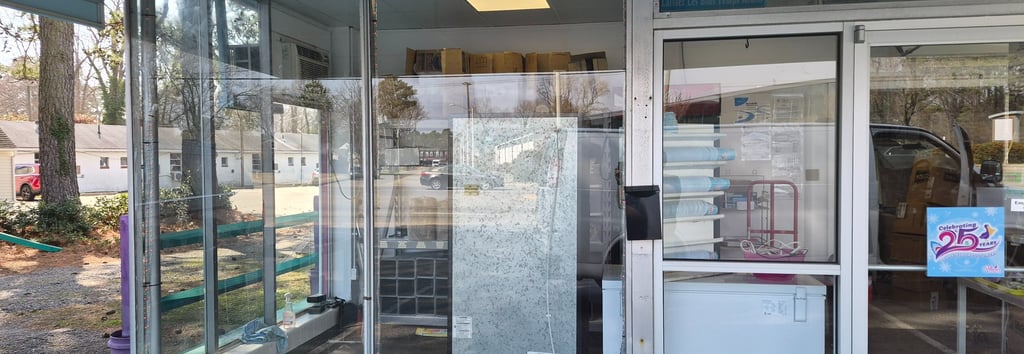
Storefront glass plays a major role in the appearance, security, and performance of a commercial property. For many businesses, the storefront is the first thing customers see, making it one of the most important visual and functional components of the building. Clean, well-maintained storefront glass creates a professional appearance, improves natural lighting, and helps reinforce customer trust before anyone even walks through the door.
However, storefront systems are constantly exposed to environmental stress, temperature fluctuations, moisture, UV exposure, foot traffic, and day-to-day operational wear. Without proper maintenance, even high-quality commercial glass systems can develop issues that affect appearance, efficiency, and long-term durability.
Understanding how storefront glass maintenance works helps business owners protect their investment while reducing the likelihood of expensive repairs or premature replacement.
Why Storefront Glass Maintenance Matters
Many commercial property owners focus on storefront glass only when visible damage occurs, but long-term performance is heavily influenced by routine maintenance. Small issues that go unnoticed—such as deteriorating seals, frame movement, or minor edge damage—can eventually lead to major problems including water intrusion, fogging, air leaks, or structural instability.
Proper maintenance does more than preserve aesthetics. It also helps maintain:
Energy efficiency
Weather resistance
Security performance
Visibility and natural lighting
Smooth door operation
Structural integrity
For retail businesses especially, storefront appearance directly impacts customer perception. Dirty, damaged, or poorly maintained glass can make a property appear neglected, even if the business itself is highly professional.
Routine Cleaning and Surface Care
One of the most important aspects of storefront glass maintenance is regular cleaning. Commercial storefronts are exposed daily to dirt, fingerprints, pollutants, salt residue, rain deposits, and airborne debris. Over time, these contaminants can affect visibility and gradually damage the glass surface if not properly removed.
Storefront glass should be cleaned using non-abrasive materials and commercial-grade glass cleaners designed specifically for architectural glazing systems. Harsh chemicals, abrasive pads, or improper cleaning techniques can scratch protective coatings and weaken the surface over time.
Businesses located near coastal areas often require more frequent cleaning due to salt exposure and increased moisture levels. Salt buildup can gradually affect framing systems and seal integrity if allowed to accumulate long-term.
Consistent cleaning also makes it easier to spot developing issues early before they become more serious.
Inspecting for Cracks, Chips, and Surface Damage
Even minor glass damage should never be ignored in a commercial storefront system. Small chips or edge cracks may appear insignificant initially, but commercial glass operates under constant pressure from thermal expansion, structural movement, and environmental stress.
Over time, small imperfections can spread and compromise the entire panel.
Routine inspections should focus on:
Edge damage
Surface scratches
Stress cracks
Impact marks
Seal deterioration
Glass movement within the frame
Early detection allows repairs or replacements to be scheduled before safety or security becomes compromised.
For businesses with high foot traffic or exterior exposure, periodic professional inspections can help identify issues that are not immediately visible to the property owner.
Maintaining Storefront Framing Systems
The storefront framing system is just as important as the glass itself. Aluminum storefront framing supports the structural load of the glazing system while helping protect against water infiltration and air leakage.
Over time, frames may experience:
Seal deterioration
Fastener loosening
Corrosion
Drainage blockage
Expansion and contraction movement
If framing issues are not addressed, they can place additional stress on the glass panels and reduce overall system performance.
Maintaining the framing system typically involves inspecting joints, cleaning drainage channels, checking sealants, and ensuring anchoring systems remain secure.
In coastal environments or humid climates, corrosion prevention becomes especially important for preserving long-term structural integrity.
Seal and Weatherproofing Maintenance
Modern storefront systems rely heavily on sealants, gaskets, and weatherproofing materials to prevent moisture intrusion and maintain energy efficiency.
Over time, these materials naturally age due to:
UV exposure
Temperature fluctuations
Moisture
Structural movement
Environmental contaminants
When seals begin to fail, businesses may notice:
Drafts near the storefront
Water leaks during rain
Condensation buildup
Increased energy costs
Fogging between insulated glass panes
Maintaining weatherproofing systems is critical because moisture intrusion can eventually affect not only the storefront itself, but also surrounding walls, flooring, and structural materials.
Routine inspections help identify seal deterioration before major damage occurs.
Door and Hardware Maintenance
Storefront glass systems often include heavy commercial glass doors that experience constant daily use. Hinges, closers, pivots, locks, and handles all require periodic maintenance to ensure smooth and safe operation.
Poorly functioning hardware can place unnecessary stress on the surrounding glass and framing system. Doors that slam, drag, or fail to align properly may eventually contribute to glass cracking or seal failure.
Routine adjustments and lubrication help extend the lifespan of storefront entry systems while improving customer experience and accessibility compliance.
Protecting Against Environmental Damage
Environmental exposure is one of the largest contributors to storefront system wear over time.
Commercial storefronts face continuous exposure to:
UV radiation
Wind pressure
Rain and moisture
Salt air
Pollution
Temperature changes
Properties near busy roads or coastal regions often experience accelerated wear due to environmental conditions.
Upgrading to modern materials such as laminated glass, Low-E coatings, impact-resistant systems, or insulated glass units can help improve durability and reduce long-term maintenance demands.
Protective window films may also help reduce UV exposure and improve impact resistance for vulnerable storefronts.
When Storefront Glass Should Be Repaired or Replaced
Not every issue requires full replacement, but some problems should be addressed immediately to avoid larger structural or safety concerns.
Repairs may be appropriate for:
Minor hardware issues
Sealant replacement
Small alignment corrections
Limited frame maintenance
Replacement may become necessary when there is:
Significant cracking or breakage
Seal failure in insulated glass units
Structural frame damage
Persistent leaks
Severe surface scratching
Fogging between panes
An experienced commercial glass contractor can determine whether repair or replacement is the most cost-effective long-term solution.
The Long-Term Value of Preventive Maintenance
Preventive storefront glass maintenance is far less expensive than emergency replacement or major structural repair. Businesses that proactively maintain their storefront systems typically experience:
Longer glass lifespan
Lower repair costs
Better energy efficiency
Improved appearance
Reduced operational disruptions
Stronger long-term property value
For customer-facing businesses, storefront appearance also directly affects brand perception and curb appeal.
A clean, properly maintained storefront communicates professionalism, attention to detail, and operational quality before customers ever enter the building.
Final Thoughts
Storefront glass maintenance is about much more than keeping glass clean. It is an ongoing process that protects the structural performance, appearance, safety, and efficiency of an entire commercial glazing system.
Routine inspections, proper cleaning, seal maintenance, and hardware upkeep all play an important role in extending the lifespan of storefront systems while preventing costly repairs and operational disruptions.
For commercial properties, long-term storefront performance depends not only on the quality of the original installation, but also on the consistency of ongoing maintenance and care. Get professional storefront systems installation today.
Ready to Get Started?
Get a free estimate from a trusted Hampton Roads commercial glass & door company.

COMPANY
About Us
Industries
Service Areas
Reviews
Blog
Contact
809 Live Oak Dr, Suite 1
Chesapeake, VA 23320




M-F 8AM-4:30PM
service@apexdoorandglass.com
(757) 713-8894 or (757) 713-2643
© 2026 Apex Door and Glass. All rights reserved.
Website Design by BragencyX
Hampton Roads, Virginia & Elizabeth City, North Carolina's premier commercial door, glass, and window company.
GET IN TOUCH