
What Makes a Door a Commercial Door?
What makes a door a commercial door? Learn how commercial doors differ from residential doors, including materials, hardware, security, durability, and building code requirements.
DOORS
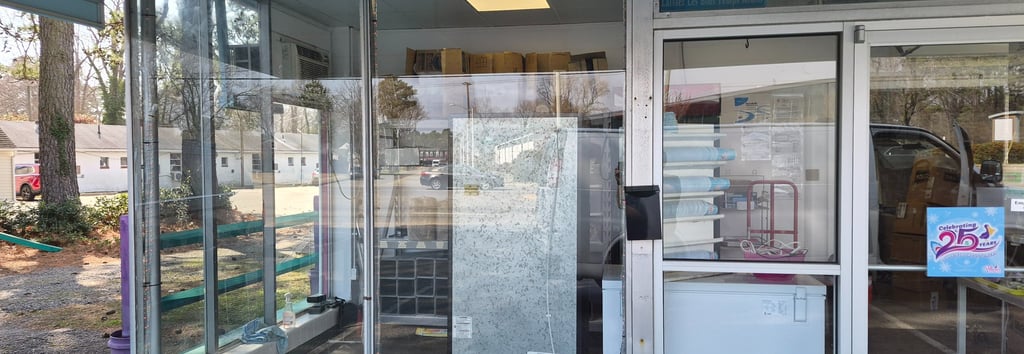

Not every door installed in a business is considered a commercial door. While residential and commercial doors may look similar, they are often designed for different levels of use, durability, security, and performance.
A commercial door is generally a door system designed, specified, or manufactured for use in commercial, institutional, or industrial buildings. These doors are selected to accommodate the demands of the building, including frequent daily traffic, specialized hardware, accessibility, security, and applicable fire and building code requirements.
Understanding what makes a door commercial can help business owners, property managers, and contractors choose the right door for their property.
1. Commercial Doors Are Built for Frequent Use
One of the biggest differences between residential and commercial doors is how frequently they are expected to operate.
A residential front door may open and close several times throughout the day. A commercial entrance at an apartment building, office, or retail store may experience hundreds of cycles in a much shorter period.
Commercial doors are often specified with components designed to withstand repeated operation, including:
Heavy-duty hinges
Commercial-grade locks and latches
Reinforced door frames
Door closers
Durable door surfaces and cores
Hardware designed for higher cycle counts
The level of durability depends on the door system and its intended application. A commercial door used in a warehouse, for example, may have different construction requirements than one installed at an office entrance.
2. Commercial Doors Use Specialized Hardware
Commercial door hardware is another important distinction.
Residential doors typically use standard hinges, knobs, deadbolts, and basic locking mechanisms. Commercial doors often require more specialized hardware to support security, accessibility, and building operations.
Common commercial door hardware includes:
Door Closers
Door closers control how a door closes after someone opens it. They are commonly installed on office entrances, apartment building doors, storefront doors, and interior commercial openings.
A properly selected and adjusted closer helps control closing speed and latching.
Panic Bars and Exit Devices
Panic bars and exit devices allow occupants to open certain doors by applying pressure to a horizontal bar or other approved release mechanism.
They are commonly used in commercial buildings where required by applicable life-safety and building codes.
Commercial Locks and Access Control
Commercial doors may use heavy-duty locks, electronic strikes, card readers, keypad systems, and other access-control equipment.
These systems allow property owners and managers to control who can enter specific areas of a building.
Heavy-Duty Hinges
Commercial hinges are selected based on the door's weight, dimensions, frequency of use, and hardware requirements. Some openings require heavier-duty or specialized hinges to support reliable operation.
3. Commercial Doors Are Available in Different Materials
Commercial doors are not limited to one material. The right construction depends on the building, the location of the opening, appearance, security, and performance requirements.
Hollow Metal Doors
Hollow metal doors are typically constructed from steel and are widely used in apartment buildings, offices, schools, warehouses, and industrial facilities.
They are popular because they can provide durability, security, and compatibility with commercial hardware. Certain configurations are also available as fire-rated assemblies.
Aluminum and Glass Storefront Doors
Storefront doors are commonly found at retail stores, restaurants, office buildings, and other businesses.
They typically feature aluminum framing and glass panels, creating an entrance that allows natural light and visibility while providing access to the building.
Commercial Wood Doors
Commercial wood doors are frequently used in offices, conference rooms, corridors, and interior spaces.
Depending on the application, they may feature solid-core construction, specialized hardware, and fire-rated configurations.
Fire-Rated Doors
Fire-rated doors are designed and tested as part of assemblies that help limit the spread of fire and smoke for a specified period under applicable conditions.
A fire-rated door is not simply a heavier or thicker door. The rating applies to a properly listed assembly, which may include the door, frame, glazing, hardware, and installation requirements.
Modifying a rated door or replacing components with incompatible products can compromise the assembly's rating.
4. Commercial Doors Must Meet Applicable Building and Safety Requirements
Commercial buildings are subject to building codes, fire-safety requirements, and accessibility standards that may affect door selection and installation.
Depending on the opening, requirements may address:
Minimum clear opening width
Door maneuvering clearances
Opening force and closing speed
Panic hardware and emergency egress
Fire-rated door assemblies
Self-closing and positive-latching features
Hardware accessibility
For example, the ADA Standards generally require a minimum clear opening width of 32 inches for accessible doors when measured with the door open 90 degrees. This is one reason 36-inch-wide commercial doors are commonly used.
However, requirements vary based on the building, occupancy, and location of the opening. Not every commercial door requires panic hardware or a fire rating.
5. Commercial Doors Are Designed for Different Security Needs
Security is another reason commercial buildings use specialized door systems.
An apartment building may need a secure main entrance with controlled access. An office may need restricted access to employee-only areas. A warehouse may require a durable exterior door that protects equipment and inventory.
Commercial door systems can incorporate:
Reinforced frames
Commercial-grade deadlocks and latches
Electronic access-control systems
Keyless entry
Heavy-duty hinges
Security glazing
Specialized locking hardware
The appropriate security features depend on the property's risk exposure, traffic patterns, and operational needs.
Commercial Door vs. Residential Door: What's the Difference?
Although some doors may look similar, their intended applications and specifications can be very different.
Residential doors are generally designed for homes and lower-frequency use, while commercial doors are often specified for higher traffic, specialized hardware, and more demanding operating conditions.
Commercial doors may also require specific fire ratings, accessibility features, or security components depending on where they are installed. However, not every commercial door needs every specialized feature. The actual requirements depend on the opening and its intended use.
Can You Use a Residential Door in a Commercial Building?
Sometimes, yes. A residential-style door may be suitable for certain low-traffic, non-rated commercial applications if it meets the project's requirements.
However, a standard residential door may not be appropriate for:
High-traffic business entrances
Apartment building main entrances
Fire-rated openings
Stairwell doors
Openings requiring panic hardware
Storefront entrances
Doors with specialized access-control requirements
Before using a residential door in a commercial setting, verify the applicable building codes, hardware requirements, accessibility standards, and intended use of the opening.
The fact that a door physically fits does not necessarily mean it is suitable for the application.
When Should You Replace a Commercial Door?
Even a properly specified commercial door will eventually require repair or replacement.
Some common signs that a commercial door needs attention include:
Difficulty opening or closing
A door that will not latch properly
Loose or damaged hinges
A malfunctioning door closer
Damaged frames or hardware
Cracked or broken glass
Visible corrosion or deterioration
Problems with locks or access-control systems
Excessive gaps around the door
Not every issue requires a full replacement. In many cases, replacing hardware or repairing the existing door may be sufficient.
However, extensive damage, repeated operational problems, or changes to the building's requirements may make replacement the better long-term solution.
Fire-rated doors, exit devices, and other life-safety components should be evaluated and serviced by qualified professionals. Improper repairs or modifications can compromise their required performance.
Need Commercial Door Repair or Replacement in Hampton Roads?
Choosing the right commercial door involves more than selecting a material or finding a door that fits an opening. The door, frame, hardware, and installation all need to work together to provide dependable operation.
Apex Door and Glass provides commercial door and glass services throughout Hampton Roads, Virginia, and Elizabeth City, North Carolina.
We work with businesses, property managers, apartment communities, and other commercial properties that need professional door installation, repair, and replacement.
Whether you need a hollow metal door, aluminum storefront entrance, commercial glass door, or replacement hardware, our team can help evaluate your existing opening and determine an appropriate solution.
Contact Apex Door and Glass to discuss your commercial door needs.
Frequently Asked Questions
What is considered a commercial door?
A commercial door is a door system intended for use in commercial, institutional, or industrial environments. It is typically selected based on the building's traffic, security, durability, accessibility, and code requirements.
Are commercial doors made differently than residential doors?
Often, yes. Commercial doors may use heavier-duty construction, reinforced frames, specialized hardware, and components designed for more frequent operation. However, the exact differences depend on the door type and application.
Are all steel doors considered commercial doors?
No. Many residential entry doors are made from steel. A commercial hollow metal door is a specific type of door designed and configured for commercial applications, often with compatible commercial frames and hardware.
Do commercial doors have to be fire-rated?
No. Fire ratings are required only for certain openings based on applicable building and fire codes. Where a fire-rated door is required, the complete assembly must meet the appropriate listing and installation requirements.
What is the most common type of commercial door?
Hollow metal doors and aluminum-framed glass storefront doors are among the most common types. Hollow metal doors are frequently used for service entrances, interior corridors, and utility spaces, while storefront systems are common at retail and office entrances.
How long do commercial doors last?
There is no universal lifespan. A commercial door's longevity depends on its material, construction, traffic, environment, maintenance, and hardware. A well-maintained door in a low-traffic location may last considerably longer than one exposed to heavy daily use or coastal weather.
Ready to Get Started?
Get a free estimate from a trusted Hampton Roads commercial glass & door company.

COMPANY
About Us
Industries
Service Areas
Reviews
Blog
Contact
809 Live Oak Dr, Suite 1
Chesapeake, VA 23320


M-F 8AM-4:30PM
service@apexdoorandglass.com
(757) 713-8894 or (757) 713-2643
© 2026 Apex Door and Glass. All rights reserved.
Website Design by BragencyX
Hampton Roads, Virginia & Elizabeth City, North Carolina's premier commercial door, glass, and window company.
GET IN TOUCH