
What to Expect During a Commercial Glass Replacement Project
Learn what to expect during a commercial glass replacement project, including inspection, fabrication, installation, safety steps, and final inspection for office buildings.
GLASS
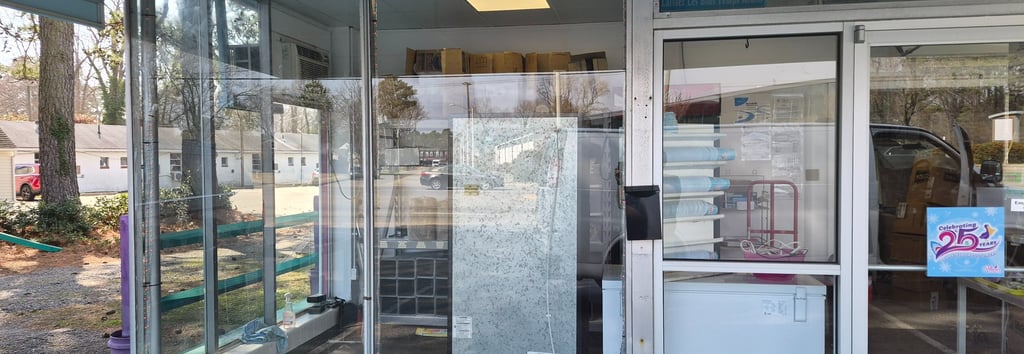
A commercial glass replacement project is a structured, multi-phase process designed to restore safety, functionality, and appearance while minimizing disruption to business operations. Whether the damage comes from impact, weather, seal failure, or long-term wear, replacing commercial glass requires precision planning, specialized equipment, and strict adherence to building codes.
Below is a clear breakdown of what business owners and property managers can expect from start to finish.
1. Initial Inspection and Damage Assessment
The process begins with a professional on-site inspection. A commercial glazing specialist evaluates the extent of the damage and determines whether full replacement is necessary or if a partial repair is possible.
During this step, technicians typically assess:
Type of glass system (storefront, curtain wall, insulated units, etc.)
Extent of damage (cracks, seal failure, shattering, frame distortion)
Safety risks to occupants or pedestrians
Structural integrity of surrounding framing
Urgency level (emergency vs scheduled replacement)
This evaluation forms the basis for all repair planning, material ordering, and scheduling.
2. Measurement and System Matching
Once replacement is confirmed, precise measurements are taken using laser tools and digital templating systems. Commercial glass must fit exactly to avoid stress points and ensure proper sealing.
Technicians will identify:
Glass thickness and type (tempered, laminated, insulated, etc.)
Energy efficiency specifications (Low-E coatings, tint, insulation levels)
Frame compatibility and anchoring system
Hardware requirements (if doors or storefront entries are involved)
In many cases, matching existing glass systems is critical to maintaining a consistent appearance across the building façade.
3. Safety Securing and Temporary Protection
If the existing glass is broken or compromised, the site is immediately secured to prevent injury or further damage.
Common temporary measures include:
Boarding up storefront openings
Installing temporary glazing panels
Applying safety film to cracked glass
Securing loose framing or shattered edges
This step ensures the building remains safe and operational while replacement materials are fabricated.
4. Glass Fabrication and Ordering
Commercial replacement glass is typically custom-fabricated based on project specifications. This process may include:
Cutting glass to precise dimensions
Tempering or laminating for safety compliance
Adding energy-efficient coatings (Low-E, reflective, or tinted finishes)
Assembling insulated glass units (IGUs) with sealed airspaces
Depending on complexity, fabrication can take anywhere from a few days to several weeks.
5. Removal of Damaged Glass
Once new materials are ready, the damaged glass is carefully removed. This is a controlled process that prioritizes safety and prevents damage to surrounding structures.
Steps include:
Securing the work zone with barriers
Removing glazing beads, seals, or framing components
Extracting broken or compromised glass panels
Cleaning and preparing the frame for installation
Technicians also inspect the frame for hidden damage before proceeding.
6. Installation of New Glass
The replacement glass is installed with precision alignment to ensure structural integrity and performance.
The process includes:
Positioning glass using suction lifting equipment
Setting panels into the existing or new framing system
Installing glazing seals, gaskets, and spacers
Ensuring proper alignment and load distribution
Sealing edges for weatherproofing and insulation
Proper installation is critical for preventing air leaks, water infiltration, and premature system failure.
7. Final Inspection and Quality Check
After installation, a full quality inspection is performed to confirm the system meets performance and safety standards.
This includes checking:
Seal integrity and weatherproofing
Alignment and structural fit
Glass clarity and surface quality
Door or entry functionality (if applicable)
Compliance with building codes and safety regulations
Any necessary adjustments are made immediately to ensure long-term reliability.
8. Cleanup and Site Restoration
Once approved, the work area is cleaned and restored. This includes removing debris, cleaning glass surfaces, and ensuring the building is returned to full operational condition.
Contractors typically also provide:
Warranty documentation for materials and labor
Maintenance recommendations for longevity
Guidance on cleaning and care practices
9. What Business Owners Should Expect Overall
A commercial glass replacement project is designed to be efficient and minimally disruptive, but it still involves coordination and planning.
In general, business owners should expect:
Temporary protection if damage is severe
Clear communication throughout the process
Scheduled downtime during installation (if required)
Precision installation with long-term durability in mind
Improved safety, efficiency, and appearance after completion
Final Thoughts
Commercial glass replacement is not just a repair, it is an opportunity to upgrade performance, improve energy efficiency, and restore the professional appearance of a building. When handled by experienced specialists, the process is streamlined, safe, and highly effective.
Contact Apex Door and Glass for a free estimate on commercial glass replacement.
Ready to Get Started?
Get a free estimate from a trusted Hampton Roads commercial glass & door company.

COMPANY
About Us
Industries
Service Areas
Reviews
Blog
Contact
809 Live Oak Dr, Suite 1
Chesapeake, VA 23320




M-F 8AM-4:30PM
service@apexdoorandglass.com
(757) 713-8894 or (757) 713-2643
© 2026 Apex Door and Glass. All rights reserved.
Website Design by BragencyX
Hampton Roads, Virginia & Elizabeth City, North Carolina's premier commercial door, glass, and window company.
GET IN TOUCH