
What Type of Windows Do Commercial Buildings Use?
What type of windows do commercial buildings use? Explore aluminum, storefront, curtain wall, fixed, and operable windows, plus commercial glass options and selection factors.
WINDOWS
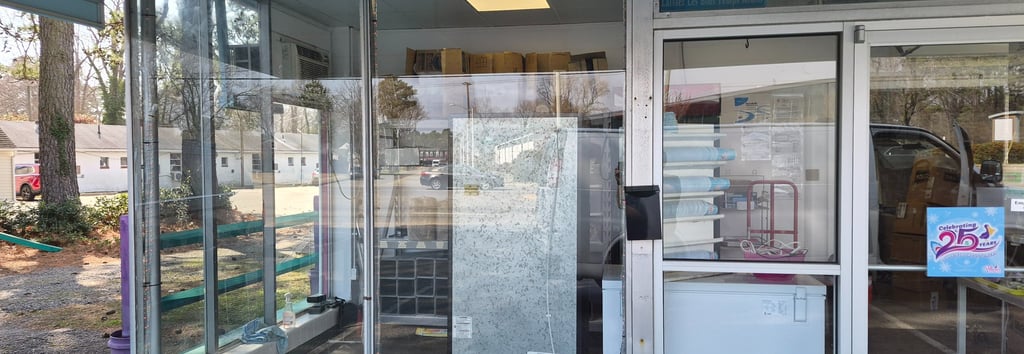
Commercial buildings use several types of windows depending on the building’s purpose, architectural design, energy-efficiency requirements, security needs, and budget. Unlike residential windows, commercial window systems are often designed to cover larger openings, withstand heavier use, accommodate expansive glass surfaces, and meet specific building-code requirements.
Common commercial window types include aluminum-framed windows, storefront windows, curtain wall systems, fixed windows, operable windows, and specialty glass systems. Each has different advantages, and the right choice depends on where the windows will be installed and how the building will be used.
Understanding the differences between these systems can help business owners, property managers, contractors, and developers make informed decisions when constructing a new building or replacing existing windows.
What Are the Most Common Types of Commercial Windows?
Commercial buildings do not use one universal window system. A retail storefront may require large panes of glass that provide visibility from the street, while an office building may use fixed windows or curtain wall glazing across multiple floors.
The following are some of the most common types of windows used in commercial construction.
1. Aluminum-Framed Windows
Aluminum-framed windows are among the most widely used options in commercial buildings. Aluminum is lightweight, strong, durable, and relatively easy to maintain, making it suitable for offices, retail spaces, schools, apartment buildings, and other commercial properties.
Aluminum frames can support large glass panels without requiring excessively bulky framing. They are also resistant to corrosion and do not typically warp, swell, or crack from moisture exposure in the same way some other frame materials can.
Many commercial aluminum windows feature thermal breaks. A thermal break is an insulating material placed between the interior and exterior portions of the aluminum frame. It reduces heat transfer through the metal, helping improve the window's overall energy performance.
Common applications include:
Office buildings
Retail storefronts
Schools and educational facilities
Commercial apartment buildings
Medical offices
Government and institutional buildings
Aluminum windows are available in fixed and operable configurations, as well as a variety of finishes and frame profiles.
2. Storefront Windows
Storefront windows are commonly found on the ground floors of retail stores, restaurants, offices, and other businesses. They are designed to provide visibility, natural light, and an attractive exterior appearance.
A typical storefront system consists of aluminum framing with large glass panels. The system may incorporate entrance doors, sidelights, transoms, and other glazed sections to create a continuous glass storefront.
Storefront systems are especially popular because they allow businesses to display products, create an inviting entrance, and make interior spaces feel more open.
Storefront windows are generally installed at ground level or in lower-rise commercial applications. They should not be confused with curtain wall systems, which are designed for larger building façades and can extend across multiple stories.
The glass used in storefront systems may include tempered, laminated, insulated, or other specialty glazing, depending on the location and applicable safety requirements.
3. Curtain Wall Windows
Curtain wall systems are non-load-bearing exterior wall assemblies made primarily of glass and framing. They are commonly used in office towers, hotels, commercial buildings, and other large structures with expansive glass façades.
Unlike traditional windows that fit into individual wall openings, curtain walls form a larger exterior glazing system. They are attached to the building's structural frame and transfer their own weight and environmental loads back to the structure through engineered connections.
Curtain wall systems offer several advantages:
Natural light: Large glass surfaces allow daylight to enter interior spaces.
Modern appearance: They create the sleek, glass-heavy appearance often associated with contemporary commercial architecture.
Design flexibility: Curtain walls can incorporate different glass types, colors, coatings, and framing configurations.
Weather protection: Properly designed systems help manage wind, rain, and air infiltration.
Energy performance: Insulated glass units and specialized coatings can help control heat transfer and solar gain.
Curtain walls are generally more complex than standard storefront systems. Their design and installation require careful consideration of structural movement, drainage, water management, wind pressure, and thermal performance.
4. Fixed Commercial Windows
Fixed windows are permanently closed and cannot be opened. They are used when a building needs natural light, visibility, or an exterior glass feature without requiring ventilation through the window itself.
Because fixed windows do not have operating sashes, they often provide a relatively simple and cost-effective glazing solution. They can also offer strong resistance to air leakage when properly designed and installed.
Fixed windows are common in:
Office buildings
Retail storefronts
Commercial lobbies
Stairwells
Schools
Curtain wall systems
They can be installed individually or incorporated into larger commercial glazing systems. In many buildings, fixed windows are combined with operable windows to provide both natural light and ventilation.
5. Operable Commercial Windows
Operable windows can be opened and closed to provide natural ventilation. They are frequently used in offices, schools, apartment buildings, healthcare facilities, and other commercial spaces where fresh-air circulation is desirable.
Several operating styles are available.
Casement windows: These windows are hinged on one side and open outward or inward, depending on the design. They can provide substantial ventilation when fully opened.
Awning windows: Hinged at the top, awning windows open outward from the bottom. Their design can help limit direct rain entry when slightly open, although actual weather protection depends on the system and conditions.
Horizontal sliding windows: These windows move horizontally along a track. They are useful where projecting window panels could interfere with walkways or exterior space.
Single-hung and double-hung windows: These windows operate vertically. A single-hung window has one movable sash, while a double-hung window has two movable sashes.
The appropriate operating style depends on the building layout, ventilation needs, accessibility, maintenance requirements, and applicable safety regulations.
6. Insulated Glass Windows
Insulated glass is widely used in modern commercial buildings to improve thermal performance. An insulated glass unit, commonly called an IGU, consists of two or more panes of glass separated by a sealed space.
The space between the panes is typically filled with air or an insulating gas such as argon. The unit may also include low-emissivity (Low-E) coatings to reduce heat transfer.
Insulated glass can help:
Reduce heat loss during colder months.
Limit unwanted heat gain during warmer months.
Improve indoor comfort near windows.
Reduce condensation on interior glass surfaces under appropriate conditions.
Improve overall building energy performance.
Insulated glass is not a window frame or operating style by itself. It is a glazing configuration that can be incorporated into aluminum windows, storefront systems, curtain walls, and other commercial applications.
7. Specialty Commercial Windows
Some buildings require window systems designed for specific performance requirements, architectural features, or environmental conditions.
Examples include:
Impact-resistant windows: Designed and tested to resist specified impact and pressure conditions, often used in areas exposed to severe storms or windborne debris.
Laminated glass windows: Made with a plastic interlayer between glass panes, helping hold fragments together if the glass breaks.
Fire-rated glazing: Specialized glazing systems tested and listed for particular fire-protection applications. These systems must be used within their approved assemblies and ratings.
Acoustic windows: Designed to reduce sound transmission, which can be useful in buildings near airports, highways, or other noisy environments.
Privacy glass: Includes frosted, tinted, patterned, or electronically controlled glazing that limits visibility.
Security glazing: Designed to provide increased resistance to specified forms of forced entry or other threats.
Specialty glazing should be selected based on the actual performance requirement. For example, ordinary tempered glass is not automatically hurricane-impact rated, and laminated glass is not automatically fire-rated or security-rated.
What Materials Are Used for Commercial Window Frames?
The frame material affects a commercial window's durability, appearance, maintenance requirements, thermal performance, and cost.
Aluminum
Aluminum is one of the most common commercial window-frame materials. It offers a favorable combination of strength, low weight, design flexibility, and durability. It is particularly useful for large glass openings and modern architectural designs.
The main consideration is thermal conductivity. Because aluminum transfers heat readily, thermally broken frames are often preferred when energy efficiency is important.
Steel
Steel frames are used in certain commercial and architectural applications where strength, narrow sightlines, or a particular appearance is desired. Steel can support substantial loads and can be fabricated into slender profiles.
However, steel is generally heavier than aluminum and requires appropriate corrosion protection and maintenance. It is also typically more expensive than standard aluminum framing.
Vinyl
Vinyl windows are commonly associated with residential construction, but some commercial projects use vinyl window systems where the product is appropriately rated and approved for the application.
Vinyl does not conduct heat as readily as aluminum, which can help with thermal performance. However, not every vinyl window is designed for the structural demands, dimensions, or performance requirements of a commercial building.
Fiberglass
Fiberglass frames offer dimensional stability and good thermal performance. They resist many forms of moisture-related deterioration and can be used in certain commercial applications.
Fiberglass is less common than aluminum in large storefront and curtain wall systems, but it may be appropriate for particular projects where its performance characteristics justify the cost.
What Type of Glass Do Commercial Buildings Use?
The glass itself is just as important as the window frame. Commercial buildings use different glazing types depending on safety requirements, energy performance, security, sound control, and the location of the window.
Tempered Glass
Tempered glass is heat-treated to increase its strength compared with ordinary annealed glass. When it breaks, it typically fractures into smaller pieces rather than large, sharp shards.
It is commonly used in doors, storefronts, sidelights, and other locations where safety glazing is required by building codes.
Laminated Glass
Laminated glass consists of two or more layers of glass bonded together with an interlayer. If the glass breaks, the interlayer helps hold the fragments in place.
It is used in applications where retaining broken glass is important, including certain overhead glazing, security applications, and locations with specific impact or safety requirements.
Insulated Glass Units
Insulated glass units contain multiple panes separated by a sealed space. They are widely used in commercial buildings to improve insulation and reduce heat transfer.
Low-E Glass
Low-emissivity glass has a specialized coating that helps control the movement of heat through the glazing. Depending on the coating and its placement, Low-E glass can help reduce heat gain from sunlight while maintaining useful natural light.
Tinted and Reflective Glass
Tinted glass reduces the amount of visible light passing through the window and can help manage glare and solar heat gain. Reflective glass uses a coating that reflects some incoming light and can provide additional exterior privacy during certain lighting conditions.
The appropriate glazing depends on the building's orientation, climate, energy goals, appearance, and safety requirements. A darker or more reflective glass option is not automatically more energy-efficient.
How Do Commercial Buildings Choose the Right Windows?
Selecting commercial windows involves more than choosing a frame color or glass style. The window system must perform properly within the building's structure and intended use.
Several factors should be considered before selecting a system.
1. Building Type and Intended Use
A retail store has different window requirements than a hospital, office tower, school, or apartment complex.
For example, a retail business may prioritize visibility and a welcoming storefront. An office building may prioritize natural light, energy efficiency, and noise reduction. A healthcare facility may have additional privacy, safety, and operational considerations.
2. Energy Efficiency
Windows can have a significant effect on a building's heating and cooling demands. Commercial property owners should consider factors such as:
U-factor, which measures the rate of heat transfer through the window assembly.
Solar heat gain coefficient (SHGC), which measures how much solar radiation enters through the window.
Air leakage ratings.
Thermal breaks in aluminum frames.
Low-E coatings and insulated glass.
Window orientation and exposure to direct sunlight.
The best combination depends on the local climate, building design, HVAC system, and applicable energy code.
3. Safety and Building Codes
Commercial windows must comply with applicable building and safety requirements. Depending on their location and function, certain windows may need safety glazing, impact resistance, fall protection, or specific fire-performance characteristics.
Requirements can vary based on the building's occupancy classification, height, location, and the adopted code edition. Areas near doors, walking surfaces, stairs, and other hazardous locations may have additional glazing requirements.
In coastal areas, wind design pressures and local storm requirements may also influence window selection. Property owners should confirm applicable requirements with the project architect, contractor, building official, or qualified glazing professional.
4. Durability and Maintenance
Commercial windows are often exposed to frequent use, weather, cleaning, and long operating hours. Frame quality, hardware, seals, drainage, and installation all affect long-term performance.
For example, a window in a coastal environment may need appropriate corrosion-resistant materials and finishes. A high-rise building may require specialized access and maintenance planning for exterior glass.
5. Budget and Long-Term Value
The initial purchase price is only one part of the overall cost. Property owners should also consider installation, maintenance, energy performance, replacement parts, and expected service life.
A lower-cost window may not be the most economical choice if it requires frequent repairs or performs poorly in the building's environment.
What Is the Difference Between Storefront Windows and Curtain Wall Systems?
Storefront windows and curtain wall systems are both common in commercial construction, but they serve different applications.
Storefront systems are typically used at ground level and in lower-rise applications. They commonly consist of aluminum framing, large glass panels, and integrated entrance doors.
Curtain wall systems are designed for larger building façades and can extend across multiple stories. They are engineered to accommodate building movement, wind loads, water management, and other structural and environmental demands.
The distinction matters because these systems are not always interchangeable. Using a storefront system in an application that requires a curtain wall system can create performance and safety problems.
Are Commercial Windows Different From Residential Windows?
Yes. Commercial windows are often designed for different dimensions, structural requirements, operating conditions, and building uses than typical residential windows.
Commercial systems frequently use aluminum framing, larger glass panels, storefront assemblies, or curtain wall systems. Residential windows more commonly use vinyl, wood, fiberglass, or smaller aluminum systems designed for individual openings in a home.
However, the distinction is not absolute. Some residential buildings use commercial-style glazing, and some commercial buildings use window products that resemble residential systems. The important consideration is whether the specific product is designed, tested, and approved for its intended application.
A window should never be selected based on appearance alone. Its structural ratings, glazing type, energy performance, safety features, and code compliance must all be appropriate for the building.
Frequently Asked Questions About Commercial Windows
What is the most common type of commercial window?
Aluminum-framed windows are among the most common commercial window options because they are durable, relatively lightweight, and capable of supporting large glass panels. Storefront systems and curtain wall systems also commonly use aluminum framing.
Why do commercial buildings use aluminum windows?
Commercial buildings use aluminum windows because aluminum offers strength, durability, design flexibility, and relatively low maintenance. It can support large glass openings while maintaining a slim frame profile. Thermally broken aluminum frames can also improve energy performance.
What type of windows are used in office buildings?
Office buildings commonly use fixed aluminum-framed windows, insulated glass units, curtain wall systems, and operable windows. The exact configuration depends on the building's height, design, ventilation needs, energy requirements, and budget.
What type of glass is best for commercial buildings?
There is no single best glass type for every commercial building. Tempered glass is frequently used where safety glazing is required, laminated glass is useful when glass retention is important, and insulated glass units help improve thermal performance. Low-E coatings can further improve energy efficiency.
Are commercial windows more expensive than residential windows?
Commercial windows can cost more because they may involve larger glass panels, heavier-duty framing, specialized glazing, engineering requirements, and more complex installation. However, the cost depends on the window type, dimensions, materials, performance specifications, and project conditions.
How long do commercial windows last?
Commercial window lifespan varies based on the frame material, glass type, installation quality, environmental exposure, maintenance, and frequency of use. Well-maintained commercial window systems can last for decades, but seals, hardware, weatherstripping, and individual glass panels may require repair or replacement sooner.
Can commercial windows be replaced without replacing the entire frame?
In some cases, yes. If the existing frame is structurally sound and compatible with the replacement glazing, individual glass panels or insulated glass units may be replaceable without removing the entire window system. However, damaged, deteriorated, improperly installed, or outdated framing may require a full system replacement.
Choosing the Right Commercial Windows for Your Building
The right commercial window system depends on the building's design, intended use, safety requirements, energy goals, and long-term maintenance needs. Aluminum-framed windows, storefront systems, curtain walls, fixed windows, and operable windows each serve different purposes. Selecting the appropriate system helps ensure that the building has the appearance, performance, and durability it needs.
Apex Door and Glass provides commercial door and glass services throughout Hampton Roads, Virginia, and Elizabeth City, North Carolina. With more than 20 years of combined industry experience, the team works with businesses, property managers, apartment communities, and commercial property owners. Whether a property needs storefront glass, commercial window replacement, or other glazing services, Apex Door and Glass can help identify an appropriate solution for the project.
Ready to Get Started?
Get a free estimate from a trusted Hampton Roads commercial glass & door company.

COMPANY
About Us
Industries
Service Areas
Reviews
Blog
Contact
809 Live Oak Dr, Suite 1
Chesapeake, VA 23320


M-F 8AM-4:30PM
service@apexdoorandglass.com
(757) 713-8894 or (757) 713-2643
© 2026 Apex Door and Glass. All rights reserved.
Website Design by BragencyX
Hampton Roads, Virginia & Elizabeth City, North Carolina's premier commercial door, glass, and window company.
GET IN TOUCH